
Heal Park Clinics

Category: Oncology

How Alcohol and Smoking Affect Bladder Cancer

How Alcohol and Smoking Affect Bladder Cancer Risk

How Alcohol and Smoking Affect Bladder Cancer Risk Bladder cancer is one of the most common cancers affecting the urinary system. While several factors contribute to the development of bladder cancer, smoking and excessive alcohol consumption are among the most significant lifestyle-related risks. Many people remain unaware of how harmful substances from cigarettes and alcohol impact the bladder over time. Understanding these risks can help individuals make informed lifestyle choices and seek early medical care when needed. At Healpark Clinics, we focus on spreading awareness about cancer prevention, early diagnosis, and advanced treatment options. This blog explains how smoking and alcohol affect bladder cancer risk, symptoms to watch for, preventive measures, and available treatments. What is Bladder Cancer? Bladder cancer develops when abnormal cells grow uncontrollably in the tissues of the bladder. The bladder is a hollow organ in the lower abdomen responsible for storing urine before it leaves the body.Most bladder cancers begin in the inner lining of the bladder and may spread deeper into the bladder wall if not treated early. The most common type is: Urothelial carcinoma (transitional cell carcinoma) Other less common forms include: Squamous cell carcinoma Adenocarcinoma Early detection is important because bladder cancer can often be treated successfully in its initial stages. How Smoking Increases Bladder Cancer Risk Smoking is considered the leading risk factor for bladder cancer. Studies show that smokers are significantly more likely to develop bladder cancer compared to non-smokers. Harmful Chemicals in Tobacco Cigarettes contain thousands of harmful chemicals, many of which are cancer-causing substances known as carcinogens. When a person smokes: Harmful chemicals enter the bloodstream through the lungs. The kidneys filter these toxins from the blood. The toxins collect in the urine. The bladder lining becomes repeatedly exposed to these chemicals. Over time, this constant exposure damages bladder cells and increases the chances of cancer development. Increased Risk Among Smokers Research indicates that smokers may have up to three times higher risk of developing bladder cancer.The risk increases with: The risk increases with: Number of cigarettes smoked daily Duration of smoking The toxins collect in the urine. Exposure to secondhand smoke Even occasional smoking can contribute to cellular damage. Smoking and Cancer Recurrence Smoking not only increases the risk of developing bladder cancer but may also raise the chances of cancer recurrence after treatment. Patients who continue smoking after diagnosis may experience: Poor treatment outcomes Faster disease progression Increased recurrence risk Higher complication rates Quitting smoking is one of the most important steps for reducing future cancer risk. How Alcohol May Affect Bladder Cancer Risk The relationship between alcohol and bladder cancer is more complex than smoking. While moderate alcohol consumption may not directly cause bladder cancer in all individuals, excessive and long-term alcohol intake can contribute to overall cancer risk. Toxic Byproducts of Alcohol When alcohol is broken down in the body, it produces acetaldehyde, a toxic chemical that can damage cells and DNA. Repeated exposure to these harmful substances may contribute to abnormal cell changes over time. Dehydration and Bladder Irritation Alcohol acts as a diuretic, increasing urine production and potentially irritating the bladder lining. Frequent irritation and inflammation may contribute to long-term bladder health issues. Combined Effect of Smoking and Alcohol People who both smoke and consume excessive alcohol may face even greater health risks.Smoking and alcohol together can: Increase exposure to carcinogens Weaken the immune system Reduce the body’s ability to repair damaged cells Increase overall cancer susceptibility The combined effect is especially harmful in long-term users. Other Risk Factors for Bladder Cancer Although smoking is the biggest risk factor, several other factors can also increase bladder cancer risk. Age Bladder cancer is more common in older adults. Gender Men are more likely to develop bladder cancer than women. Chemical Exposure People working with industrial chemicals, dyes, paints, rubber, or leather may face higher risks. Chronic Bladder Inflammation Repeated bladder infections or irritation may contribute to cancer development. Family History Genetics may increase susceptibility in some individuals. Low Fluid Intake Inadequate hydration may allow harmful chemicals to remain longer in the bladder. Early Symptoms of Bladder Cancer Recognizing symptoms early can help improve treatment outcomes. Blood in Urine One of the most common early signs is blood in the urine, which may appear pink, red, or brown. Frequent Urination Patients may experience increased urgency or frequency. Pain During Urination Burning or discomfort while urinating should not be ignored. Lower Back Pain Pain in the lower back or pelvic area may occur in advanced cases. Difficulty Urinating Weak urine flow or difficulty emptying the bladder may develop. If these symptoms persist, medical evaluation is essential. How Bladder Cancer is Diagnosed Doctors use several tests to diagnose bladder cancer. Urine Tests Urine analysis helps detect blood or abnormal cells. Cystoscopy A thin tube with a camera is inserted into the bladder to examine abnormal areas. Imaging Tests CT scans, MRI scans, or ultrasounds help evaluate the urinary tract. Biopsy A tissue sample is examined under a microscope to confirm cancer. Early diagnosis significantly improves treatment success. Treatment Options for Bladder Cancer Treatment depends on the stage and severity of the disease. Surgery Tumors may be removed through minimally invasive or major surgical procedures. Intravesical Therapy Medication is delivered directly into the bladder. Chemotherapy Chemotherapy drugs help destroy cancer cells. Radiation Therapy Radiation targets and destroys cancerous tissue. Immunotherapy Advanced immunotherapy treatments help the immune system fight cancer cells. Targeted Therapy Specific medications target cancer growth pathways. Treatment planning is personalized according to patient condition and cancer stage. Can Quitting Smoking Reduce Bladder Cancer Risk? Yes, quitting smoking significantly reduces bladder cancer risk over time. Although former smokers may still have a higher risk than non-smokers, the risk gradually decreases after quitting. Benefits of quitting smoking include: Reduced exposure to carcinogens Improved bladder health Better immune function Improved treatment outcomes Reduced recurrence risk The earlier a person quits, the greater the health benefits. Tips to Reduce Bladder Cancer Risk Stop Smoking Avoid tobacco products completely. Limit

Early Stage Skin Cancer Symptoms

Early Stage Skin Cancer Symptoms

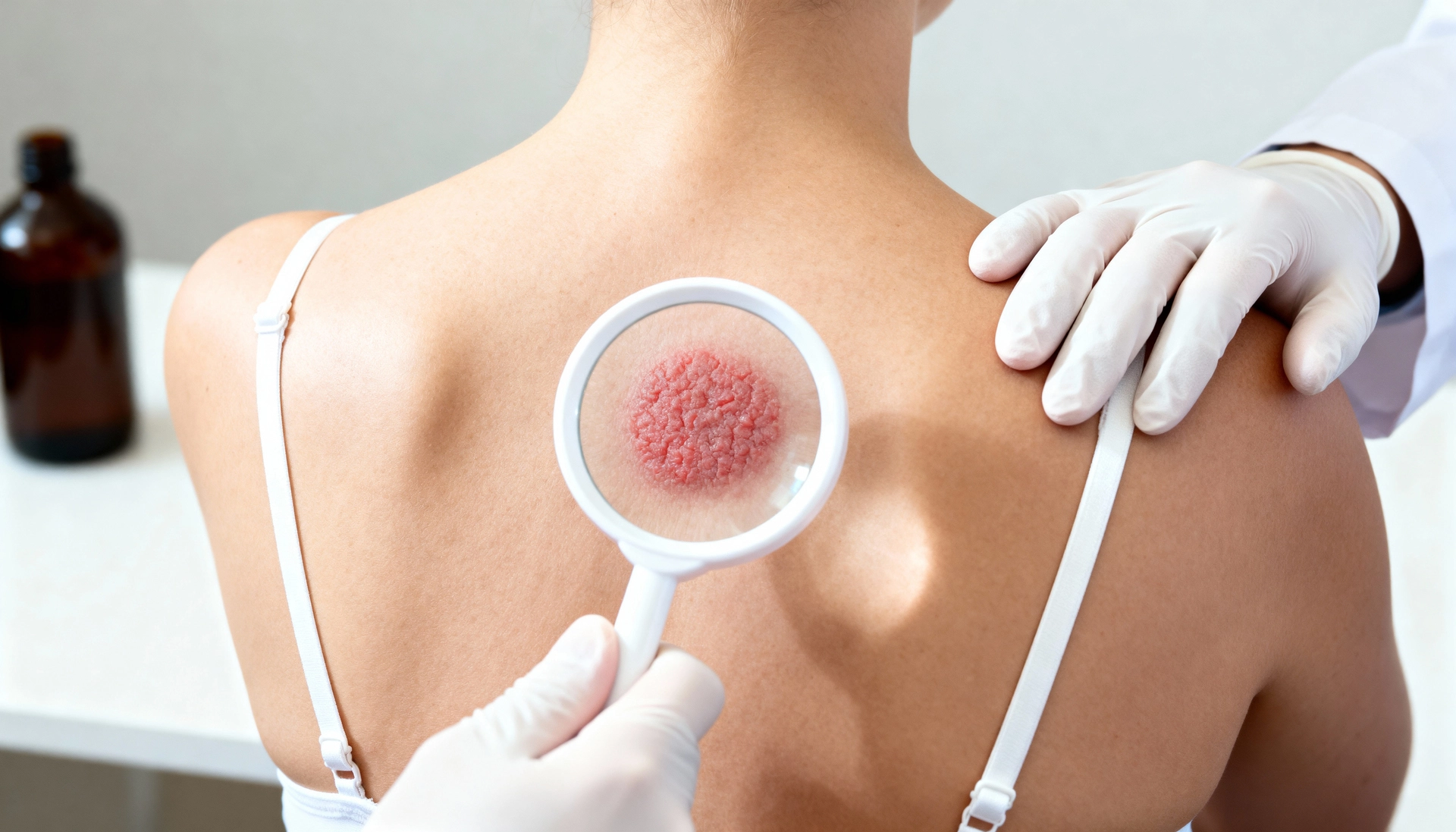
Early Stage Skin Cancer Symptoms Skin cancer is one of the most common types of cancer worldwide, and early detection plays a major role in successful treatment. Many people ignore the first warning signs because they may appear harmless or painless in the beginning. However, recognizing early stage skin cancer symptoms can help prevent complications and improve recovery outcomes. At Healpark Clinics, we believe awareness and timely diagnosis are essential for protecting your skin health. This guide explains the early symptoms of skin cancer, risk factors, different types, prevention methods, and treatment options. What is Skin Cancer? Skin cancer occurs when abnormal skin cells begin to grow uncontrollably. It commonly develops in areas exposed to sunlight, but it can also appear on parts of the body that receive little sun exposure. The main cause of skin cancer is prolonged exposure to ultraviolet (UV) rays from the sun or tanning devices. Skin cancer can affect people of all ages, though the risk increases with age and repeated sun exposure. There are three major types of skin cancer: Basal Cell Carcinoma (BCC) Squamous Cell Carcinoma (SCC) Melanoma Among these, melanoma is considered the most aggressive form, while BCC and SCC are more common and usually easier to treat when detected early. Why Early Detection Matters Identifying early stage skin cancer symptoms can significantly improve treatment success rates. In many cases, skin cancer detected in the early stage can be treated effectively with minimally invasive procedures. Ignoring suspicious skin changes may allow cancer cells to spread deeper into the skin or other organs. Early diagnosis helps: Reduce treatment complexity Improve survival rates Minimize scarring or tissue damage Prevent cancer spread Lower treatment costs Regular skin checks and medical consultations are important for early identification. Common Early Stage Skin Cancer Symptoms Understanding the warning signs is the first step toward timely treatment. Below are some of the most common early stage skin cancer symptoms. 1. New Moles or Skin GrowthsOne of the earliest signs of skin cancer is the appearance of a new mole, bump, or unusual growth on the skin. These growths may vary in color, shape, or size.Pay attention if a mole: Appears suddenly Looks different from surrounding moles Continues to grow over time Changes texture New skin growths should always be evaluated by a healthcare professional. 2. Changes in Existing Moles Changes in an existing mole can indicate melanoma or other skin cancers. Doctors often recommend following the ABCDE rule:   A – Asymmetry One half of the mole looks different from the other. B – Border Edges become irregular, blurred, or uneven. C – Color The mole develops multiple shades such as brown, black, red, white, or blue. D – Diameter The mole becomes larger than 6 mm. E – Evolving The mole changes in size, shape, color, or texture. Any evolving mole requires immediate medical attention. 3. Persistent Sores That Do Not HealA sore that does not heal within a few weeks may be an early symptom of skin cancer. These sores may: Bleed easily Crust repeatedly Ooze fluid Reopen after healing This symptom is especially common in basal cell carcinoma and squamous cell carcinoma. 4. Itching, Tenderness, or Pain Although early skin cancer may not always cause pain, some lesions can become itchy, sensitive, or tender. Persistent discomfort in a mole or skin patch should not be ignored.   5. Red or Scaly PatchesSquamous cell carcinoma often appears as rough, scaly, or reddish patches on the skin.These patches may: Feel dry or rough Become crusty Bleed occasionally Continue growing slowly They commonly develop on sun-exposed areas such as the face, scalp, neck, hands, and arms. 6. Pearly or Waxy BumpsBasal cell carcinoma frequently presents as a shiny or pearly bump.These bumps may: Be pink, white, or skin-colored Look translucent Develop visible blood vessels Bleed easily after minor injury People often mistake them for harmless pimples or scars. 7. Dark Lesions on the Skin Melanoma may appear as a dark patch or lesion that changes over time. It can develop anywhere on the body, including:   Back Legs Face Arms Under nails Soles of feet Dark spots with irregular appearance should always be checked. 8. Unusual Nail ChangesSkin cancer can also develop under the nails.Warning signs include: Dark streaks under nails Nail lifting Persistent nail discoloration Bleeding around the nail 8. Unusual Nail ChangesSkin cancer can also develop under the nails.Warning signs include: These symptoms are often overlooked but may indicate melanoma. Risk Factors for Skin Cancer Certain factors increase the risk of developing skin cancer. Excessive Sun Exposure Repeated exposure to UV rays damages skin cells and increases cancer risk. Fair Skin People with lighter skin tones have less melanin protection against UV radiation. Family History A family history of skin cancer can increase susceptibility. History of Sunburns Severe or repeated sunburns raise the likelihood of skin damage. Weak Immune System Individuals with weakened immunity may be more vulnerable. Tanning Beds Artificial tanning devices emit harmful UV radiation. Age The risk of skin cancer increases with age due to cumulative sun exposure. Areas Where Skin Cancer Commonly Appears Skin cancer usually develops in areas frequently exposed to sunlight. Common locations include: Face Neck Scalp Ears Lips Hands Arms Back Chest Legs However, it can also appear in less exposed regions like the feet, nails, and genital areas.   How Skin Cancer is Diagnosed Doctors use different methods to confirm skin cancer. Physical Examination A dermatologist examines suspicious moles, lesions, or skin patches. Dermoscopy Specialized tools help visualize skin structures more clearly. Skin Biopsy A small tissue sample is removed and analyzed under a microscope. Imaging Tests Advanced imaging may be recommended if cancer spread is suspected. Early diagnosis allows doctors to begin treatment before the cancer progresses. Treatment Options for Early Stage Skin Cancer Treatment depends on the type, size, and location of the cancer. Surgical Removal The cancerous tissue is removed along with a margin of healthy skin. Mohs Surgery A specialized procedure that removes cancer

At what stage of cancer is chemotherapy used

At what stage of cancer is chemotherapy used

“Will I need chemotherapy?”The first question revolves around the patient or family, which makes complete sense.Before knowing at which stage chemotherapy is viable, let’s make it clear that chemotherapy is not a punishment. It’s a tool, and like any tool, it’s used at the right time, for the right reason. Through this blog, you will learn when you really need chemotherapy. What Does Chemotherapy Actually Do? Chemotherapy uses medicines to destroy cancer cells or stop them from spreading and dividing.Unlike surgery, which removes a tumour from one location, chemotherapy travels through your entire bloodstream. This makes it especially useful when cancer has spread, or the doctor wants to make sure no single cells remain post-surgery. It is given through IV drip, as an oral tablet, or sometimes as an injection. Now, let’s answer the real question: When do you need chemotherapy? Chemotherapy can be used at any stage of cancer, but the goal of treatment changes depending on the stage. Let’s understand each scenario. Stage 1: Early and localised. In most of the Stage 1 cancers, surgery alone is enough. The tumour is small, it hasn’t spread, and removing it surgically can be curative. But chemotherapy may still be recommended if, The cancer type is aggressive or fast-growing. The tumour carries genetic markers suggesting a high relapse risk. It’s a blood cancer like leukaemia, where there’s no solid tumour to remove, making chemo the primary treatment from day one. Stage 2: Often, yes.At Stage 2, chemotherapy becomes a regular part of the plan either before or after surgery. Before surgery (neoadjuvant): Shrinks the tumour first, making removal cleaner and reducing the risk of return. Common in breast and stomach cancers.After surgery (adjuvant): Destroys microscopic cancer cells that surgery can’t see before they get the chance to grow back. Stage 3: Almost AlwaysCancer has now reached nearby lymph nodes or surrounding tissue. Chemotherapy is almost always part of the plan here, typically combined with radiation, surgery, or both. The goal at Stage 3 is still often a cure,  not just control. That matters. Stage 4: Control, Comfort, and More timeAt Stage 4, cancer has spread to distant organs. A complete cure is harder, but treatment doesn’t stop. Chemotherapy at this stage focuses on: Slowing the cancer’s growth Reducing pain and symptoms Protecting quality of life Extending life sometimes by years Stage 4 is a difficult conversation. But it is never a conversation that ends with nothing can be done.There is always something to do. And you don’t have to figure out what that is alone. About Healpark ClinicHealpark Clinic is committed to providing quality healthcare services with expert medical care and patient-focused treatment. Our experienced doctors offer comprehensive diagnosis and treatment for a wide range of health concerns in a comfortable and caring environment. Healpark Clinic📍 Address: Heal Park Clinics, Building No. 38, N S Patkar Marg, opp. Westside, Babulnath, Dadi Sheth Wadi, Gamdevi, Mumbai, Maharashtra 400007📞 Phone: +91 8369695209🌐 Website: https://healparkclinics.com/ Book Your Appointment TodayFor expert consultation and personalized treatment, contact Healpark Clinic and schedule your appointment.

Signs and Symptoms of Colorectal Cancer

Signs and Symptoms of Colorectal Cancer

Colorectal cancer originates in the colon or rectum, and if detected early, it ranks among the most treatable forms of cancer. Recognising the warning signs is the first step towards early detection. Most people diagnosed with colorectal cancer say the same thing:The signs were there, I was just unaware about it. Warning signs you should never ignore. 1. Blood in your stool.Whether it’s bright red or dark and tarry, rectal bleeding should always prompt a medical evaluation. Do not assume it is haemorrhoids without consulting a doctor. 2. A change in bowel habits lasting more than 2-3 weeks.If you experience persistent diarrhoea, constipation, pencil-thin stools, or a sensation of incomplete emptying, it’s important to take note when your bowel habits change and remain altered. 3. Unexplained fatigue and weakness.Gradual internal bleeding from a tumour can silently lead to anaemia. If you find yourself feeling consistently fatigued without an apparent cause, it’s advisable to have your haemoglobin levels checked. 4. Persistent abdominal discomfort.If you have recurring cramps, bloating, or pressure in the lower abdomen, particularly when these symptoms do not improve with dietary adjustments, it warrants further investigation. 5. Unintentional weight loss. Experiencing weight loss without any effort over a few weeks is something that the medical field takes very seriously. Why do people miss it? What they feel: What they assume: Rectal bleeding “Probably haemorrhoids” Fatigue “Just stress or overwork” Bloating & cramps “IBS or something I ate” Weight loss “Finally losing weight” Conclusion Colorectal cancer caught early is highly survivable. Most people who missed that window didn’t lack access; they lacked information. Now you have it. And if anything on this list sounds familiar, don’t wait for it to get worse.Book a consultation today. About Healpark ClinicHealpark Clinic is committed to providing quality healthcare services with expert medical care and patient-focused treatment. Our experienced doctors offer comprehensive diagnosis and treatment for a wide range of health concerns in a comfortable and caring environment. Healpark Clinic📍 Address: Heal Park Clinics, Building No. 38, N S Patkar Marg, opp. Westside, Babulnath, Dadi Sheth Wadi, Gamdevi, Mumbai, Maharashtra 400007📞 Phone: +91 8369695209🌐 Website: https://healparkclinics.com/ Book Your Appointment TodayFor expert consultation and personalized treatment, contact Healpark Clinic and schedule your appointment.

Can Brain Tumours Be Prevented

Can Brain Tumours Be Prevented? Facts You Should Know

Brain tumours are abnormal growths of cells in the brain or the tissues surrounding it. They can be benign (non-cancerous) or malignant (cancerous) and may affect critical brain functions depending on their size and location. For many people, the diagnosis of a brain tumour can be overwhelming and raises an important question: Can Brain Tumours Be Prevented? While medical science has made significant advances in diagnosing and treating brain tumours, preventing them completely is not always possible. However, understanding the risk factors, possible causes, and lifestyle habits that influence brain health may help reduce the risk. In this article, we will explore the facts behind the question “Can Brain Tumours Be Prevented?”, discuss potential risk factors, and highlight steps individuals can take to support overall brain health. Understanding Brain Tumours Before discussing prevention, it is important to understand what brain tumours are and how they develop. A brain tumour occurs when abnormal cells grow uncontrollably in the brain. These cells may originate within the brain (primary brain tumours) or spread from other parts of the body (secondary or metastatic tumours). Types of Brain Tumours Type Description Primary Brain Tumours Originate in brain tissue Metastatic Brain Tumours Spread from cancers in other organs Benign Tumours Non-cancerous but may still affect brain function Malignant Tumours Cancerous and may grow rapidly Because the brain is responsible for essential bodily functions, even small tumours can cause significant symptoms. Can Brain Tumours Be Prevented? One of the most common questions patients ask is “Can Brain Tumours Be Prevented?” The simple answer is that there is currently no guaranteed way to prevent brain tumours. In many cases, the exact cause remains unknown. Unlike some cancers that are strongly linked to lifestyle choices, brain tumours may occur without any identifiable trigger. However, certain risk factors and environmental exposures may increase the likelihood of developing brain tumours. By understanding and reducing these risks, individuals may help lower their chances. Known Risk Factors for Brain Tumours Although brain tumours can develop in anyone, some factors are associated with a higher risk. Common Risk Factors Exposure to radiation Family history of brain tumours Genetic disorders Previous cancer that spreads to the brain Age-related risk Understanding these factors helps doctors identify individuals who may require closer monitoring. Radiation Exposure and Brain Tumours Radiation exposure is one of the most well-established risk factors associated with brain tumours. Sources of Radiation Exposure Source Risk Level Radiation therapy to the head Higher risk Occupational radiation exposure Moderate risk Diagnostic imaging (CT scans) Very low risk when medically necessary Medical imaging tests such as CT scans and X-rays are generally considered safe when used appropriately, but unnecessary exposure should always be avoided. Lifestyle Factors and Brain Tumour Risk Although lifestyle habits are not direct causes of brain tumours, maintaining a healthy lifestyle may support overall brain health and potentially reduce cancer risks. Healthy Lifestyle Practices Eating a balanced and nutritious diet Regular physical activity Maintaining a healthy body weight Avoiding tobacco products Limiting alcohol consumption Managing stress effectively These habits support the immune system and overall health, which may help the body respond better to abnormal cell growth. Diet and Brain Health A healthy diet plays an important role in maintaining brain function and overall well-being. Foods That Support Brain Health Fruits rich in antioxidants Green leafy vegetables Whole grains Healthy fats such as omega-3 fatty acids Nuts and seeds These foods contain nutrients that help protect brain cells from damage caused by oxidative stress. Genetic Factors and Brain Tumours Another important aspect to consider when asking “Can Brain Tumours Be Prevented?” is genetics. Some inherited genetic conditions increase the risk of brain tumours. Genetic Disorders Linked to Brain Tumours Genetic Condition Associated Risk Neurofibromatosis Increased risk of nerve tumours Li-Fraumeni syndrome Higher risk of multiple cancers Turcot syndrome Associated with brain tumours and colon cancer However, these conditions are rare and account for only a small percentage of brain tumour cases. Environmental Factors and Brain Tumours Researchers have also studied the role of environmental factors in brain tumour development. Possible Environmental Influences Exposure to harmful chemicals Air pollution Industrial toxins Long-term exposure to radiation While research is ongoing, avoiding unnecessary exposure to harmful substances is a sensible precaution. Do Mobile Phones Cause Brain Tumours? Many people worry about whether mobile phone use can increase the risk of brain tumours. Currently, scientific studies have not found consistent evidence linking mobile phone radiation to brain tumour development. Mobile phones emit low levels of radiofrequency energy, which is different from the high-energy radiation known to cause cancer. However, for precautionary reasons, some experts recommend: Using hands-free devices   Limiting prolonged phone calls   Avoiding keeping phones close to the head for long periods Early Detection vs Prevention While complete prevention may not be possible, early detection plays a critical role in successful treatment. Recognizing early symptoms and seeking medical evaluation promptly can help diagnose brain tumours before they become advanced. Possible Early Warning Signs Persistent headaches   Vision changes   Seizures   Difficulty with balance   Personality or memory changes   Weakness in arms or legs   If these symptoms persist or worsen, medical consultation is essential. Medical Check-Ups and Monitoring Regular medical check-ups can help identify health problems early. Although routine screening for brain tumours is not recommended for the general population, individuals with higher risk may benefit from medical monitoring. People Who May Need Closer Monitoring Individuals with genetic risk factors Patients who received radiation therapy to the head People with a strong family history of brain tumours Doctors may recommend imaging tests or neurological evaluations in certain cases. Tips to Support Long-Term Brain Health While the question “Can Brain Tumours Be Prevented?” does not have a definite yes or no answer, there are steps individuals can take to promote brain health. Brain Health Tips Stay mentally active through learning and problem-solving Get adequate sleep Exercise regularly Maintain social connections Manage chronic health conditions These habits help support overall neurological function and general health.

Does Smoking Increase the Risk of Kidney Cancer

Does Smoking Increase the Risk of Kidney Cancer?

Kidney cancer is one of the most common types of cancer affecting the urinary system. The kidneys play a vital role in filtering waste products, maintaining fluid balance, and regulating blood pressure. When abnormal cells begin to grow uncontrollably in the kidney tissues, kidney cancer can develop. One question many patients ask is: Does Smoking Increase the Risk of Kidney Cancer? Research has consistently shown that smoking is one of the most important preventable risk factors for kidney cancer. Tobacco smoke contains harmful chemicals that can damage cells throughout the body, including the kidneys. In this article, we will explore how smoking increases the risk of kidney cancer, the science behind the connection, other risk factors, symptoms to watch for, and steps you can take to protect your kidney health. Understanding Kidney Cancer Kidney cancer begins when abnormal cells in the kidney grow uncontrollably and form a tumor. The most common type of kidney cancer in adults is renal cell carcinoma, which accounts for the majority of cases. Types of Kidney Cancer Type Description Renal Cell Carcinoma (RCC) The most common form of kidney cancer in adults Transitional Cell Carcinoma Cancer that develops in the renal pelvis Wilms Tumor A rare kidney cancer usually affecting children Sarcoma A rare cancer that develops in kidney connective tissues Kidney cancer may develop slowly and often does not cause noticeable symptoms in its early stages. Does Smoking Increase the Risk of Kidney Cancer? The answer is yes. Smoking is a well-established risk factor for kidney cancer. Studies have shown that smokers have a significantly higher risk of developing kidney cancer compared to non-smokers. When a person smokes, toxic chemicals from tobacco enter the bloodstream and are filtered by the kidneys. Over time, these chemicals can damage kidney cells and increase the risk of cancerous changes. How Smoking Affects the Kidneys Smoking can harm the kidneys in several ways: Exposure to carcinogenic chemicals in tobacco smoke Damage to kidney tissues through oxidative stress Increased inflammation in the body Reduced oxygen supply to kidney cells Impaired kidney function over time Because the kidneys are responsible for filtering toxins from the blood, they are particularly vulnerable to the harmful substances found in cigarette smoke.   Chemicals in Tobacco That Affect Kidney Health Tobacco smoke contains thousands of chemicals, many of which are known carcinogens. Harmful Substances Found in Cigarettes Chemical Potential Effect Nitrosamines Known cancer-causing agents Cadmium Toxic metal linked to kidney damage Benzene Associated with multiple cancers Arsenic A toxic substance that damages cells Formaldehyde Can contribute to DNA damage These chemicals circulate through the bloodstream and pass through the kidneys during filtration, exposing kidney tissues to repeated damage. How Much Does Smoking Increase Kidney Cancer Risk? Research has shown that smokers are significantly more likely to develop kidney cancer than non-smokers. Risk Comparison Smoking Status Kidney Cancer Risk Non-smoker Baseline risk Current smoker Up to twice the risk Long-term smoker Significantly higher risk Former smoker Risk decreases gradually after quitting The risk also increases with the number of cigarettes smoked per day and the duration of smoking. This means that the longer a person smokes, the greater the potential damage to kidney tissues. Other Risk Factors for Kidney Cancer While smoking is a major risk factor, several other factors can contribute to kidney cancer risk. Common Risk Factors Obesity High blood pressure Family history of kidney cancer Long-term dialysis Exposure to certain industrial chemicals Genetic conditions Older age When smoking is combined with these factors, the overall risk of kidney cancer may increase further. Symptoms of Kidney Cancer Kidney cancer often develops silently, especially in its early stages. However, as the tumor grows, certain symptoms may appear. Possible Symptoms of Kidney Cancer Blood in the urine Persistent lower back pain A lump or mass in the abdomen Unexplained weight loss Fatigue Fever without infection Loss of appetite These symptoms can also be caused by other medical conditions, but they should always be evaluated by a healthcare professional. Can Quitting Smoking Reduce Kidney Cancer Risk? Yes, quitting smoking can significantly reduce the risk of developing kidney cancer. Although the damage caused by smoking may not completely disappear, the body begins to repair itself once smoking stops. Benefits of Quitting Smoking Reduced exposure to harmful carcinogens Improved kidney function Lower inflammation in the body Decreased cancer risk over time Better overall health and immune function Studies show that the risk of kidney cancer gradually declines after quitting smoking, especially if cessation occurs earlier in life. How Kidney Cancer Is Diagnosed If kidney cancer is suspected, doctors may perform several tests to confirm the diagnosis. Common Diagnostic Tests Test Purpose Ultrasound Detects abnormal kidney masses CT Scan Provides detailed images of the kidneys MRI Scan Helps evaluate tumor size and spread Urine Test Detects blood or abnormalities Biopsy Confirms cancer by examining tissue samples Early diagnosis improves the chances of successful treatment. Treatment Options for Kidney Cancer Treatment for kidney cancer depends on several factors, including the stage of the cancer, tumor size, and the patient’s overall health. Common Treatment Approaches Surgery: Removal of the tumor or entire kidney Targeted Therapy: Drugs that block cancer cell growth Immunotherapy: Helps the immune system attack cancer cells Radiation Therapy: Used in certain advanced cases Active Surveillance: Monitoring small tumors without immediate treatment Many patients diagnosed in early stages have excellent treatment outcomes. Tips to Protect Your Kidney Health Preventing kidney cancer involves reducing risk factors and maintaining a healthy lifestyle. Healthy Habits for Kidney Health Quit smoking or avoid tobacco use Maintain a healthy body weight Exercise regularly Eat a balanced diet rich in fruits and vegetables Control blood pressure Stay well hydrated Avoid unnecessary exposure to toxic chemicals These habits can help protect kidney function and reduce the risk of several health conditions. When Should You See a Doctor? It is important to seek medical advice if you experience symptoms that may indicate kidney problems. Consult a Doctor If You Notice Blood in your urine Persistent back

Blood in Urine: Could It Be Bladder Cancer?

Blood in Urine: Could It Be Bladder Cancer? Seeing blood in your urine can understandably feel alarming. Whether the urine appears pink, red, or brown, or blood is detected only during a laboratory test, it is a symptom that should never be ignored. While blood in the urine (hematuria) is often linked to infections or minor conditions, it can sometimes be an early warning sign of bladder cancer. At Healpark Clinics, we strongly emphasise early evaluation, as timely diagnosis significantly improves outcomes  particularly for those seeking bladder cancer treatment in Mumbai. Understanding Blood in Urine (Hematuria) Hematuria can present in two ways: Visible (Gross Hematuria): Blood is clearly seen in the urine. Microscopic Hematuria: Blood is detected only through laboratory testing. Even if it occurs just once and then disappears, a proper medical evaluation is important Common Causes of Blood in Urine Not every case of hematuria is serious. Some possible causes include: Urinary tract infections (UTIs) Kidney stones Enlarged prostate (in men) Bladder infections Certain medications Intense physical activity However, in adults over the age of 40, unexplained or recurring blood in the urine should always be evaluated carefully to rule out more serious conditions, including bladder cancer. Could It Be Bladder Cancer ? One of the earliest signs of bladder cancer is painless blood in the urine. Because it may not cause discomfort at first, many individuals delay seeking medical attention. Other symptoms can include: Frequent urination A burning sensation while urinating Sudden urgency Pelvic pain A feeling of incomplete bladder emptying If these symptoms continue or worsen, consulting a specialist for proper evaluation and, if necessary, bladder cancer treatment in Mumbai becomes essential. Who Is at Higher Risk? Your risk of bladder cancer may be higher if you: Smoke (a major risk factor) Are above 50 years of age Have occupational exposure to certain chemicals Have a family history of bladder cancer Experience chronic bladder inflammation In individuals with these risk factors, early screening and timely consultation can significantly reduce complications and improve outcomes. How Is Bladder Cancer Diagnosed? At Healpark Clinics, evaluation typically involves a step-by-step approach, including: A detailed consultation and physical examination Urine tests and cytology Ultrasound or CT scan imaging Cystoscopy to directly examine the inside of the bladder These diagnostic tools help determine whether symptoms are caused by infections, stones, or require specialised bladder cancer treatment in Mumbai. Treatment Options for Bladder Cancer When detected early, bladder cancer is often highly treatable. Treatment options may include: Transurethral resection of bladder tumor (TURBT) Intravesical therapy Surgical management Chemotherapy or immunotherapy Advanced medical oncology care At Healpark Clinics, each patient receives a personalised treatment plan tailored to their condition. Our multidisciplinary team ensures comprehensive bladder cancer treatment in Mumbai with coordinated specialist care. When Should You See a Specialist? Seek medical attention promptly if: You notice blood in your urine, even once   Urinary symptoms continue to recur   You have known risk factors along with new symptoms   You experience persistent pelvic discomfort or pain Early consultation not only ensures an accurate diagnosis but also significantly increases treatment success rates if cancer is detected. Final Thoughts Blood in the urine does not always mean cancer  but it should never be ignored. At Healpark Clinics, we prioritise early detection, compassionate care, and advanced bladder cancer treatment in Mumbai. If you notice any unusual urinary symptoms, timely evaluation can make a meaningful and potentially life-changing difference.

Cervical Cancer

Cervical Cancer Stages Explained

Hearing the words “you have cervical cancer” is overwhelming. One of the very first questions most women ask is: “What stage is it?” Cervical cancer staging helps doctors understand how far the cancer has progressed, what treatment is needed, and what outcomes to expect. In this blog, we’ll break down cervical cancer stages from Stage 0 to Stage IV in simple, clear language  without medical jargon. Why Early Cancer Symptoms Are Easy to Ignore Cancer doesn’t usually announce itself with extreme pain or sudden collapse. In its early stages, it whispers.The problem? We live in a world where tiredness, stress, digestive issues, and aches are considered “normal.”That’s why many cancers are diagnosed late  not because symptoms weren’t there, but because they didn’t feel urgent. Why Cervical Cancer Staging Matters Staging is not just a medical label. It determines: Treatment options Chances of recovery Whether surgery, radiation, or chemotherapy is required The earlier the stage, the better the chances of successful treatment. Stage 0 Cervical Cancer (Carcinoma in Situ) Stage 0 is the earliest form of cervical cancer. At this stage: Abnormal cells are found only on the surface of the cervix Cancer has not spread to deeper tissues It is often called pre-cancer Symptoms Most women have no symptoms at Stage 0. This is why regular Pap smear screening is so important. Treatment Cryotherapy Laser therapy Cone biopsy (conization) When detected at Stage 0, cervical cancer is almost 100% curable. Stage I Cervical Cancer: Cancer Limited to the Cervix At Stage I, cancer is present but still confined to the cervix. Stage IA (Very Early Cancer) Cancer is microscopic and not visible to the naked eye Usually detected through biopsy Treatment options: Cone biopsy Simple hysterectomy (in selected cases) Stage IB (Visible Cancer) Cancer is visible or larger but still limited to the cervix Treatment options: Radical hysterectomy Radiation therapy Fertility-preserving surgery (in selected early cases) Early Stage I cervical cancer has a very high survival rate when treated promptly. Stage II Cervical Cancer: Spread Beyond the Cervix At Stage II, cancer has spread beyond the cervix, but not to the pelvic wall or lower vagina. Common Symptoms Abnormal vaginal bleeding Pain during intercourse Pelvic pain Treatment Radiation therapy Chemotherapy (often combined with radiation) Surgery is less common at this stage. Treatment focuses on controlling local spread. Stage III Cervical Cancer: Advanced Local Spread Stage III indicates significant local progression. At this stage, cancer may have: Spread to the pelvic wall Blocked the ureters (causing kidney problems) Spread to the lower part of the vagina Symptoms Severe pelvic pain Difficulty urinating Swelling in legs Heavy vaginal bleeding Treatment Combined chemotherapy and radiation therapy Symptom management While more challenging to treat, Stage III cervical cancer is still treatable with aggressive therapy. Stage IV Cervical Cancer: Cancer Has Spread to Distant Organs Stage IV is the most advanced stage. Stage IVA Cancer has spread to nearby organs such as the bladder or rectum Stage IVB Cancer has spread to distant organs like the lungs, liver, or bones Symptoms Severe pain Fatigue Weight loss Difficulty breathing or bowel issues Treatment Chemotherapy Targeted therapy Immunotherapy Palliative care to improve quality of life Treatment at this stage focuses on slowing disease progression and relieving symptoms. Survival Rates by Cervical Cancer Stage (General Overview) While survival rates vary based on individual health and treatment, outcomes are strongly stage-dependent: Stage 0–I: Excellent survival rates Stage II: Good outcomes with combined treatment Stage III: Moderate survival with aggressive therapy Stage IV: Focus on life extension and comfort Early diagnosis makes a dramatic difference. How Cervical Cancer Is Diagnosed and Staged Doctors use: Pap smear tests HPV testing Colposcopy Biopsy Imaging (CT, MRI, PET scans) These tests help determine tumor size and spread. Can Cervical Cancer Be Prevented? Yes cervical cancer is one of the most preventable cancers. Prevention includes: HPV vaccination Regular Pap smear screening Early treatment of precancerous lesions Final Thoughts: Knowledge Brings Control Understanding cervical cancer stages from Stage 0 to Stage IV empowers women to make informed decisions. Early screening saves lives, and even advanced stages can be managed with modern treatments. If you or a loved one is facing cervical cancer, remember: You are not alone and early action changes everything. Frequently Asked Questions (FAQs) 1.What are the stages of cervical cancer? Cervical cancer is staged from Stage 0 to Stage IV, based on how far the cancer has spread—from abnormal cells on the cervix (Stage 0) to spread to distant organs (Stage IV). 2. What is the difference between Stage 1A and Stage 1B cervical cancer? Stage 1A: Cancer is microscopic and detected only by biopsy Stage 1B: Cancer is visible or larger but still confined to the cervix 3. How is cervical cancer stage determined? Doctors use Pap tests, HPV testing, biopsies, and imaging tests like CT, MRI, or PET scans to determine the stage of cervical cancer. 4. Does cervical cancer staging affect treatment? Yes. Treatment decisionssurgery, radiation, chemotherapy, or immunotherapy are based directly on the cancer stage. 5. Can cervical cancer be prevented? Yes. Cervical cancer is highly preventable through HPV vaccination, regular Pap smear screening, and early treatment of precancerous changes.

Early Signs of Pancreatic Cancer You Should Not Ignore

Early Signs of Pancreatic Cancer You Should Not Ignore Pancreatic cancer is often described as a “silent” disease because its early symptoms are usually subtle and easy to overlook. Many people attribute the warning signs to common digestive problems, stress, or minor health concerns. However, paying attention to persistent or unusual symptoms can make a meaningful difference. At Healpark Clinics, we strongly encourage patients not to ignore ongoing changes in their health, even if they seem minor at first. Why Early Cancer Symptoms Are Easy to Ignore The pancreas lies deep within the abdomen, positioned behind the stomach. Because of this location, small tumours often do not produce noticeable symptoms in the early stages. In addition, the initial signs can closely resemble common conditions such as acidity, gastritis, or even simple back pain. This overlap frequently leads to delays in diagnosis. Early Signs of Pancreatic Cancer 1. Persistent Abdominal Pain A dull, ongoing pain in the upper abdomen that may radiate to the back is one of the more commonly reported symptoms. It may: Worsen after eating Improve slightly when leaning forward Gradually become more persistent over time 2. Unexplained Weight Loss Sudden, unintentional weight loss especially without changes in diet or exercise should always be evaluated. Pancreatic cancer can interfere with digestion and reduce appetite, leading to weight loss. 3. Loss of Appetite Feeling full quickly or noticing a significant drop in hunger may be an early sign that something is not right. 4. Jaundice (Yellowing of Skin and Eyes) If a tumour blocks the bile duct, it can lead to: Yellowing of the skin and eyes Dark-coloured urine Pale stools Itchy skin Jaundice, particularly when it occurs without pain, should never be ignored. 5. Changes in Stool Greasy, pale, or floating stools may suggest difficulty digesting fats, which can occur when the pancreas is not functioning properly. 6. New-Onset Diabetes In some individuals, pancreatic cancer is first suspected when diabetes develops suddenly, especially after the age of 50 and without typical risk factors. 7. Persistent Fatigue Ongoing tiredness that does not improve with adequate rest can be linked to many medical conditions, including cancer. When fatigue is persistent and unexplained, it deserves medical attention. Who Is at Higher Risk? Certain factors are known to increase the risk of pancreatic cancer, including: Smoking A family history of pancreatic cancer Chronic pancreatitis Obesity Diabetes Age above 60 If you fall into any of these higher-risk categories, paying attention to early symptoms becomes even more important. Prompt evaluation can help identify concerns at an earlier stage. When Should You See a Doctor? It is advisable to consult a specialist if you notice: Persistent upper abdominal or back pain Unexplained weight loss Jaundice Ongoing digestive disturbances Sudden onset of diabetes Early assessment can either rule out serious conditions or allow treatment to begin at the right time. A Reassuring Note It is important to remember that many of these symptoms are more commonly caused by non-cancerous conditions. However, persistent or unusual changes in your body should not be ignored. At Healpark Clinics, the focus is on early detection, thorough evaluation, and personalised treatment planning. When it comes to pancreatic cancer, awareness and timely medical attention can make a meaningful difference.

Cancer treament

Does genetics have role to play in cancer ?

Cancer is not caused by a single factor. It develops due to a combination of genetics, lifestyle choices, and environmental exposures. One of the most common concerns patients have is: “Is cancer genetic?” The answer is partly yes. While most cancers are not inherited, some individuals are born with specific gene mutations that increase their risk of developing certain cancers later in life. In this blog by HealPark Clinic, we explain how genetics influence cancer risk, the difference between inherited and acquired mutations, and how genetic testing and early monitoring can help in prevention and early detection. What Does “Genetic” Mean in Cancer? Genes are segments of DNA that control how cells grow, divide, and function. When certain genes develop mutations, cells may begin to grow abnormally, which can eventually lead to cancer.Genetic mutations related to cancer can be: Inherited – passed from parents to children Acquired – developed over time due to lifestyle or environmental exposure So when people ask, “Is cancer genetic?”, the reality is that cancer often develops due to a mix of genetic vulnerability and external factors. Inherited vs. Acquired Genetic Mutations Understanding the difference between inherited and acquired mutations is key to understanding cancer risk. Inherited (Hereditary) Mutations Present from birth Passed down through family genes Found in every cell of the body Responsible for about 5–10% of cancers Acquired (Somatic) Mutations Develop during a person’s lifetime Not inherited or passed to children Caused by factors such as: Smoking , Excessive sun exposure , Radiation , Certain infections , Poor lifestyle habits Feature Inherited Mutations Acquired Mutations Passed to children Yes No Present at birth Yes No Main cause of most cancers No Yes Most cancers are caused by acquired mutations, but inherited mutations significantly increase risk in some individuals. Cancers Commonly Linked to Genetics Some cancers are more strongly associated with inherited genetic mutations, especially when they occur at a young age or run in families. Common Genetic-Linked Cancers: Breast Cancer – Often linked to BRCA1 and BRCA2 mutations Ovarian Cancer – Higher risk with BRCA mutations Colorectal Cancer – Associated with Lynch syndrome and FAP Prostate Cancer – May run in families Pancreatic Cancer – Can be linked to BRCA and PALB2 mutations If multiple family members have had the same or related cancers, genetics may play a role. How Genetic Testing Helps Genetic testing identifies whether you carry inherited gene mutations that increase cancer risk. What the Process Involves: Blood or saliva sample Lab-based genetic analysis Results usually available within 2–3 weeks What Genetic Testing Can Tell You: Presence of cancer-related gene mutations Your lifetime cancer risk Preventive and monitoring strategies Having a genetic mutation does not mean you will get cancer, but it helps doctors personalize your care.   Who Should Consider Genetic Counseling? Genetic counseling may be recommended if you have: Multiple family members with cancer Cancer diagnosed at a young age in the family A known genetic mutation in relatives A personal history of more than one cancer Rare or aggressive cancer types At HealPark Clinic, genetic counselors help you understand testing, results, and next steps clearly and compassionately. Can Genetic Cancer Risk Be Reduced? Regular screenings and early detection Advanced imaging (MRI, mammograms, colonoscopy) Preventive medications Risk-reducing surgeries (in select cases) Healthy lifestyle choices: Avoid tobacco , Maintain a healthy weight , Exercise regularly , Limit alcohol intake , Eat a balanced diet Importance of Family History Family history is one of the strongest indicators of inherited cancer risk. How to Track Family History: Include both maternal and paternal sides Note cancer type and age at diagnosis Share this information with your doctor Family Member Cancer Type Age at Diagnosis Mother Breast Cancer 45 Maternal Aunt Ovarian Cancer 50 Brother Prostate Cancer 52 This information helps doctors decide if genetic testing is needed. Living with a Higher Genetic Cancer Risk A positive genetic test can feel overwhelming but it also empowers you. What You Can Do: Stay educated about your mutation Follow a personalized screening plan Consider family planning options if needed Build a long-term care strategy with your doctor At HealPark Clinic, we support patients with preventive oncology care, emotional counseling, and personalized treatment planning. Conclusion So, is cancer genetic? Sometimes but not always. While most cancers are caused by acquired mutations, inherited genes can significantly increase risk in certain individuals. Understanding your genetic makeup, knowing your family history, and taking preventive steps can make a life-saving difference. At HealPark Clinic, we combine genetic counseling, early detection, and advanced oncology care to help you stay informed, proactive, and supported at every stage. 📞 Book a consultation today to assess your cancer risk and take control of your health with confidence. Frequently Asked Questions (FAQs) 1.Is cancer genetic or lifestyle-related?  Most cancers result from both genetic and lifestyle factors. Only a small percentage are purely inherited. 2. If cancer runs in my family, will I definitely get it? No. A genetic mutation increases risk but does not guarantee cancer. 3. When should I consider genetic testing?  If you have strong family history or early-onset cancers, testing may help. 4. What if my test result is positive? You’ll work with your doctor to create a risk-reduction and monitoring plan. 5. Can children inherit cancer genes?  Yes. Each child has a 50% chance of inheriting a mutation if one parent carries it. 6. Are hereditary cancers treatable? Yes. Early detection allows effective and targeted treatment. 7. Is genetic testing covered by insurance? Often yes, when medically indicated.