

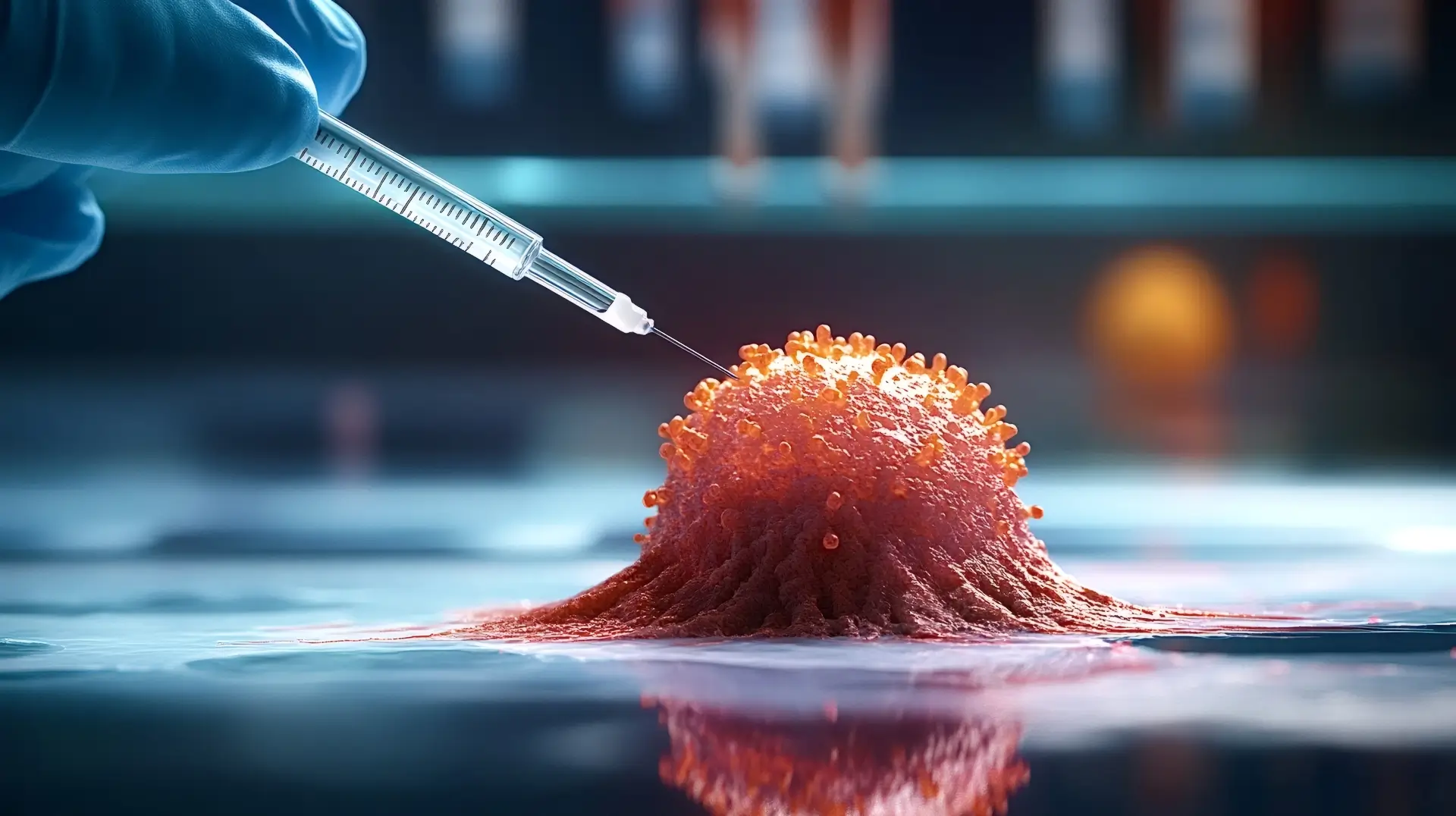
What Is Immunotherapy and How Is It Changing Cancer Treatment?
Imagine your immune system as a highly trained security team that patrols your body around the clock, on the lookout for anything that doesn’t belong including cells that have turned cancerous. In theory, this team should catch and eliminate these rogue cells before they ever become a problem. But cancer has a trick up its sleeve: it’s a master of disguise. Tumor cells learn to slip past security, blend into the crowd, and even convince nearby immune cells to look the other way.
Immunotherapy is built around a simple but game-changing idea: what if, instead of bringing in outside force to attack the tumor, we just helped the security team see through the disguise? That’s exactly what this new generation of cancer treatment does and it’s one of the most exciting shifts in oncology in recent memory. At HealPark Clinics in Mumbai, we’re seeing more and more patients benefit from these approaches, so here’s a closer look at what immunotherapy actually is and why it’s generating so much excitement.
A Different Way of Fighting Cancer
For most of the last century, cancer treatment has relied on a few key strategies: cutting the tumor out with surgery, blasting it with radiation, or using chemotherapy drugs that attack fast-growing cells throughout the body. These approaches work, but chemotherapy in particular comes with a catch it can’t always tell the difference between a cancer cell and a healthy one that also happens to divide quickly, like hair follicles or cells lining the gut. That’s where many of the well-known side effects come from.
Immunotherapy takes a completely different approach. Rather than attacking the tumor directly, it works by powering up the immune system so it can do what it’s naturally designed to do recognize abnormal cells and destroy them. Think of it less like sending in a wrecking crew, and more like giving your body’s own internal investigators the tools, training, and clearance they need to finish a job they were already capable of doing.
The Many Faces of Immunotherapy
“Immunotherapy” isn’t a single drug or treatment it’s an umbrella term for several different strategies, each working in its own way.
Checkpoint inhibitors are probably the best-known type. Your immune cells have built-in “off switches” that normally prevent them from attacking your own healthy tissue a safety feature that stops your immune system from going rogue. Unfortunately, cancer cells have learned how to flip these switches to their advantage, essentially telling nearby immune cells to stand down. Checkpoint inhibitor drugs block this signal, so immune cells stay switched on and can attack the tumor. These drugs have made a real difference for patients with cancers like melanoma, lung cancer, and certain kidney cancers including some cases that had stopped responding to other treatments.
CAR T-cell therapy is one of the more remarkable ideas in modern medicine. Doctors take a sample of a patient’s own immune cells, send them to a lab, and genetically modify them so they can recognize a specific marker found on that patient’s cancer cells almost like giving them a custom-made tracking device. These newly upgraded cells are then multiplied by the millions and infused back into the patient’s body, where they go to work hunting down and destroying cancer cells bearing that marker. This approach has produced dramatic results in certain blood cancers, particularly in patients who had run out of other options.
Cancer vaccines work a bit differently than the vaccines most people are familiar with. Instead of preventing an illness before it starts, these vaccines are designed to teach the immune system to recognize and attack cancer cells that are already present in the body.
Antibody-based therapies use lab-made proteins that act like guided missiles, designed to lock onto specific markers on cancer cells. Some flag the cancer cells for the immune system to destroy, while others can deliver a payload sometimes a dose of chemotherapy directly to the tumor, sparing healthy cells nearby.
How It Feels Different for Patients
One of the most noticeable differences with immunotherapy is the timeline. Chemotherapy and radiation often start shrinking tumors fairly quickly. Immunotherapy can take longer to show results, because it’s essentially training and mobilizing an army rather than launching a direct strike and armies take time to mobilize.
The side effects are different too. Because immunotherapy ramps up immune activity, that activity can occasionally spill over and affect healthy organs leading to inflammation in places like the lungs, gut, or skin. These reactions sound concerning, but they’re usually manageable with close monitoring and, if needed, medication to calm things down.
But perhaps the most exciting difference is what happens for some patients long after treatment ends. With certain immunotherapy drugs, a meaningful number of patients have gone into remission that lasts for years sometimes without any further treatment at all. It’s as if the immune system, once properly trained, remembers the threat and keeps watch on its own. This kind of long-lasting response is something doctors rarely saw with older treatments, and it’s part of why immunotherapy has generated so much hope.
Not a One-Size-Fits-All Solution
As exciting as immunotherapy is, it’s important to be realistic: it doesn’t work the same way for everyone, and not every cancer responds to it. Some tumors are simply easier for the immune system to recognize than others, depending on their unique characteristics.
Because of this, doctors typically run tests on a tumor sample before recommending immunotherapy essentially checking whether the cancer has the kind of “fingerprints” that make it a good candidate for this approach. This helps avoid putting patients through a treatment that’s unlikely to help, while identifying those most likely to benefit.
Increasingly, immunotherapy is also being combined with other treatments chemotherapy, radiation, surgery, or targeted drugs so that cancer is being attacked from several directions at once. Researchers are continuing to study which combinations work best for which types of cancer, and new options are emerging all the time.
A New Chapter in Cancer Care
The rise of immunotherapy represents a genuine shift in how doctors think about treating cancer. Instead of viewing the tumor purely as an enemy to be destroyed from the outside, there’s growing recognition that the body already has a powerful ally on its side it just sometimes needs a little help recognizing the threat.
This doesn’t mean immunotherapy has replaced older treatments, and it isn’t a magic cure for every patient. But for many people, it has opened doors that simply didn’t exist a decade ago particularly for cancers that had become resistant to other therapies.
At HealPark Clinics, our oncology team takes the time to evaluate each patient’s specific situation, run the necessary tests, and have an honest conversation about whether immunotherapy on its own or alongside other treatments could be a good fit. If you or someone you care about is exploring treatment options, our team in Mumbai is here to help you understand what’s available and what might make sense for your particular journey.
Why Choose Healpark Clinics?
Healpark Clinics is committed to providing comprehensive cancer care with a patient-focused approach.
Our team focuses on:
- Early cancer detection
- Advanced diagnostic support
- Personalized treatment planning
- Patient education and awareness
- Multidisciplinary care
We aim to help patients make informed decisions and receive timely treatment.
About Healpark Clinic
Healpark Clinic is committed to providing quality healthcare services with expert medical care and patient-focused treatment. Our experienced doctors offer comprehensive diagnosis and treatment for a wide range of health concerns in a comfortable and caring environment.
Healpark Clinic
📍 Address: Heal Park Clinics, Building No. 38, N S Patkar Marg, opp. Westside, Babulnath, Dadi Sheth Wadi, Gamdevi, Mumbai, Maharashtra 400007
📞 Phone: +91 8369695209
🌐 Website: https://healparkclinics.com/
Book Your Appointment Today
For expert consultation and personalized treatment, contact Healpark Clinic and schedule your appointment.
Frequently Asked Questions
No. Chemotherapy works by directly attacking fast-growing cells throughout the body, including some healthy ones. Immunotherapy instead boosts or redirects the immune system so it can recognize and attack cancer cells on its own. The two are sometimes used together, but they work in very different ways.
Immunotherapy generally doesn’t cause the same side effects as chemotherapy, such as hair loss or severe nausea. However, because it ramps up immune activity, it can sometimes cause the immune system to affect healthy organs, leading to inflammation in areas like the lungs, gut, or skin. These reactions are usually manageable with monitoring and, if needed, medication.
Most immunotherapy drugs, including checkpoint inhibitors and antibody-based therapies, are given through an IV infusion, often every few weeks. CAR T-cell therapy involves a more involved process collecting a patient’s cells, modifying them in a lab, and infusing them back, usually as a single treatment course rather than ongoing sessions.
This varies depending on the type of cancer and treatment used. Unlike chemotherapy, which can shrink tumors relatively quickly, immunotherapy often takes longer to show visible effects because it works by mobilizing the immune system over time. Doctors typically monitor progress with scans and tests at regular intervals.
For some patients, immunotherapy has led to long-lasting remission, sometimes continuing even after treatment ends. However, it doesn’t work this way for everyone, and outcomes depend heavily on the type of cancer, its stage, and individual patient factors. It’s best discussed as part of an overall treatment plan rather than viewed as a guaranteed cure.
Yes. It’s increasingly used alongside chemotherapy, radiation, surgery, or targeted therapies. Combining treatments allows doctors to attack cancer from multiple angles, and ongoing research continues to explore which combinations work best for different cancer types.