
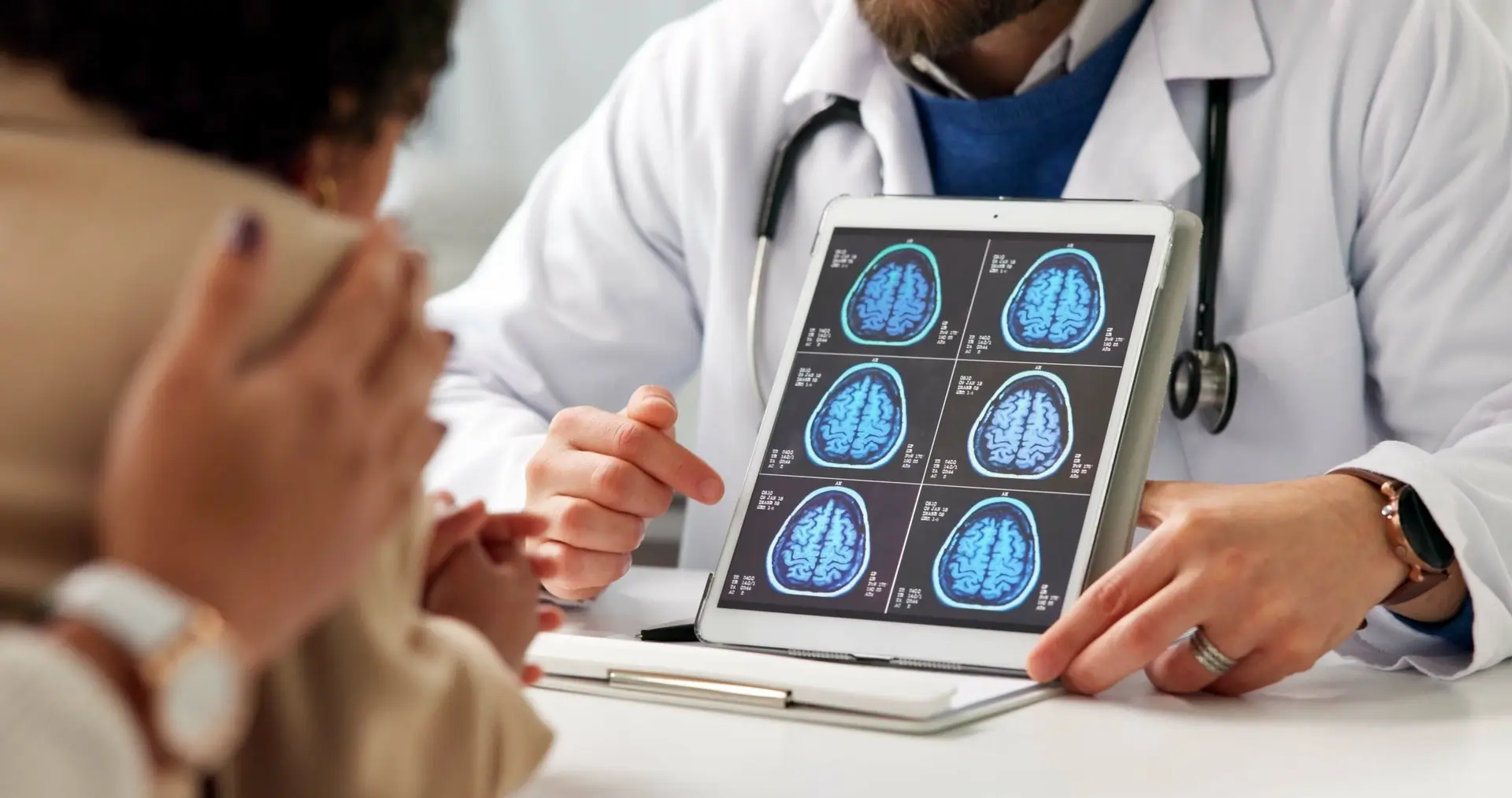
Brain tumours are abnormal growths of cells in the brain or the tissues surrounding it. They can be benign (non-cancerous) or malignant (cancerous) and may affect critical brain functions depending on their size and location. For many people, the diagnosis of a brain tumour can be overwhelming and raises an important question: Can Brain Tumours Be Prevented?
While medical science has made significant advances in diagnosing and treating brain tumours, preventing them completely is not always possible. However, understanding the risk factors, possible causes, and lifestyle habits that influence brain health may help reduce the risk.
In this article, we will explore the facts behind the question “Can Brain Tumours Be Prevented?”, discuss potential risk factors, and highlight steps individuals can take to support overall brain health.
Understanding Brain Tumours
Before discussing prevention, it is important to understand what brain tumours are and how they develop.
A brain tumour occurs when abnormal cells grow uncontrollably in the brain. These cells may originate within the brain (primary brain tumours) or spread from other parts of the body (secondary or metastatic tumours).
Types of Brain Tumours
Type | Description |
Primary Brain Tumours | Originate in brain tissue |
Metastatic Brain Tumours | Spread from cancers in other organs |
Benign Tumours | Non-cancerous but may still affect brain function |
Malignant Tumours | Cancerous and may grow rapidly |
Because the brain is responsible for essential bodily functions, even small tumours can cause significant symptoms.
Can Brain Tumours Be Prevented?
One of the most common questions patients ask is “Can Brain Tumours Be Prevented?”
The simple answer is that there is currently no guaranteed way to prevent brain tumours. In many cases, the exact cause remains unknown. Unlike some cancers that are strongly linked to lifestyle choices, brain tumours may occur without any identifiable trigger.
However, certain risk factors and environmental exposures may increase the likelihood of developing brain tumours. By understanding and reducing these risks, individuals may help lower their chances.
Known Risk Factors for Brain Tumours
Although brain tumours can develop in anyone, some factors are associated with a higher risk.
Common Risk Factors
- Exposure to radiation
- Family history of brain tumours
- Genetic disorders
- Previous cancer that spreads to the brain
- Age-related risk
Understanding these factors helps doctors identify individuals who may require closer monitoring.
Radiation Exposure and Brain Tumours
Radiation exposure is one of the most well-established risk factors associated with brain tumours.
Sources of Radiation Exposure
Source | Risk Level |
Radiation therapy to the head | Higher risk |
Occupational radiation exposure | Moderate risk |
Diagnostic imaging (CT scans) | Very low risk when medically necessary |
Medical imaging tests such as CT scans and X-rays are generally considered safe when used appropriately, but unnecessary exposure should always be avoided.
Lifestyle Factors and Brain Tumour Risk
Although lifestyle habits are not direct causes of brain tumours, maintaining a healthy lifestyle may support overall brain health and potentially reduce cancer risks.
Healthy Lifestyle Practices
- Eating a balanced and nutritious diet
- Regular physical activity
- Maintaining a healthy body weight
- Avoiding tobacco products
- Limiting alcohol consumption
- Managing stress effectively
These habits support the immune system and overall health, which may help the body respond better to abnormal cell growth.
Diet and Brain Health
A healthy diet plays an important role in maintaining brain function and overall well-being.
Foods That Support Brain Health
- Fruits rich in antioxidants
- Green leafy vegetables
- Whole grains
- Healthy fats such as omega-3 fatty acids
- Nuts and seeds
These foods contain nutrients that help protect brain cells from damage caused by oxidative stress.
Genetic Factors and Brain Tumours
Another important aspect to consider when asking “Can Brain Tumours Be Prevented?” is genetics.
Some inherited genetic conditions increase the risk of brain tumours.
Genetic Disorders Linked to Brain Tumours
Genetic Condition | Associated Risk |
Neurofibromatosis | Increased risk of nerve tumours |
Li-Fraumeni syndrome | Higher risk of multiple cancers |
Turcot syndrome | Associated with brain tumours and colon cancer |
However, these conditions are rare and account for only a small percentage of brain tumour cases.
Environmental Factors and Brain Tumours
Researchers have also studied the role of environmental factors in brain tumour development.
Possible Environmental Influences
- Exposure to harmful chemicals
- Air pollution
- Industrial toxins
- Long-term exposure to radiation
While research is ongoing, avoiding unnecessary exposure to harmful substances is a sensible precaution.
Do Mobile Phones Cause Brain Tumours?
Many people worry about whether mobile phone use can increase the risk of brain tumours.
Currently, scientific studies have not found consistent evidence linking mobile phone radiation to brain tumour development. Mobile phones emit low levels of radiofrequency energy, which is different from the high-energy radiation known to cause cancer.
However, for precautionary reasons, some experts recommend:
- Using hands-free devices
- Limiting prolonged phone calls
- Avoiding keeping phones close to the head for long periods
Early Detection vs Prevention
While complete prevention may not be possible, early detection plays a critical role in successful treatment.
Recognizing early symptoms and seeking medical evaluation promptly can help diagnose brain tumours before they become advanced.
Possible Early Warning Signs
- Persistent headaches
- Vision changes
- Seizures
- Difficulty with balance
- Personality or memory changes
- Weakness in arms or legs
If these symptoms persist or worsen, medical consultation is essential.
Medical Check-Ups and Monitoring
Regular medical check-ups can help identify health problems early.
Although routine screening for brain tumours is not recommended for the general population, individuals with higher risk may benefit from medical monitoring.
People Who May Need Closer Monitoring
- Individuals with genetic risk factors
- Patients who received radiation therapy to the head
- People with a strong family history of brain tumours
Doctors may recommend imaging tests or neurological evaluations in certain cases.
Tips to Support Long-Term Brain Health
While the question “Can Brain Tumours Be Prevented?” does not have a definite yes or no answer, there are steps individuals can take to promote brain health.
Brain Health Tips
- Stay mentally active through learning and problem-solving
- Get adequate sleep
- Exercise regularly
- Maintain social connections
- Manage chronic health conditions
These habits help support overall neurological function and general health.
When Should You See a Doctor?
Consult a healthcare professional if you experience persistent neurological symptoms that cannot be explained by common conditions.
Symptoms That Require Medical Evaluation
- Frequent or severe headaches
- Sudden vision problems
- Seizures
- Persistent nausea or vomiting
- Difficulty speaking or understanding speech
- Unexplained weakness or numbness
Early medical evaluation helps identify potential causes and ensures appropriate treatment.
The Importance of Awareness
Raising awareness about brain tumours is an important step toward improving patient outcomes. Understanding risk factors, recognizing symptoms, and seeking medical advice promptly can help individuals receive timely care.
While researchers continue to study the causes of brain tumours, education and awareness remain essential tools in improving early detection and treatment success.
Conclusion
Many people wonder “Can Brain Tumours Be Prevented?”, but the reality is that there is currently no guaranteed way to completely prevent them. Brain tumours often develop due to complex factors, including genetics, environmental influences, and unknown causes.
However, individuals can reduce potential risks by avoiding unnecessary radiation exposure, maintaining a healthy lifestyle, and staying aware of neurological symptoms. Regular medical check-ups and early medical consultation when symptoms arise can also improve the chances of timely diagnosis.
By understanding the facts about brain tumours and focusing on overall brain health, individuals can take proactive steps toward protecting their well-being. Awareness, early detection, and appropriate medical care remain the most effective tools in managing brain tumour risk and ensuring better long-term health outcomes.