

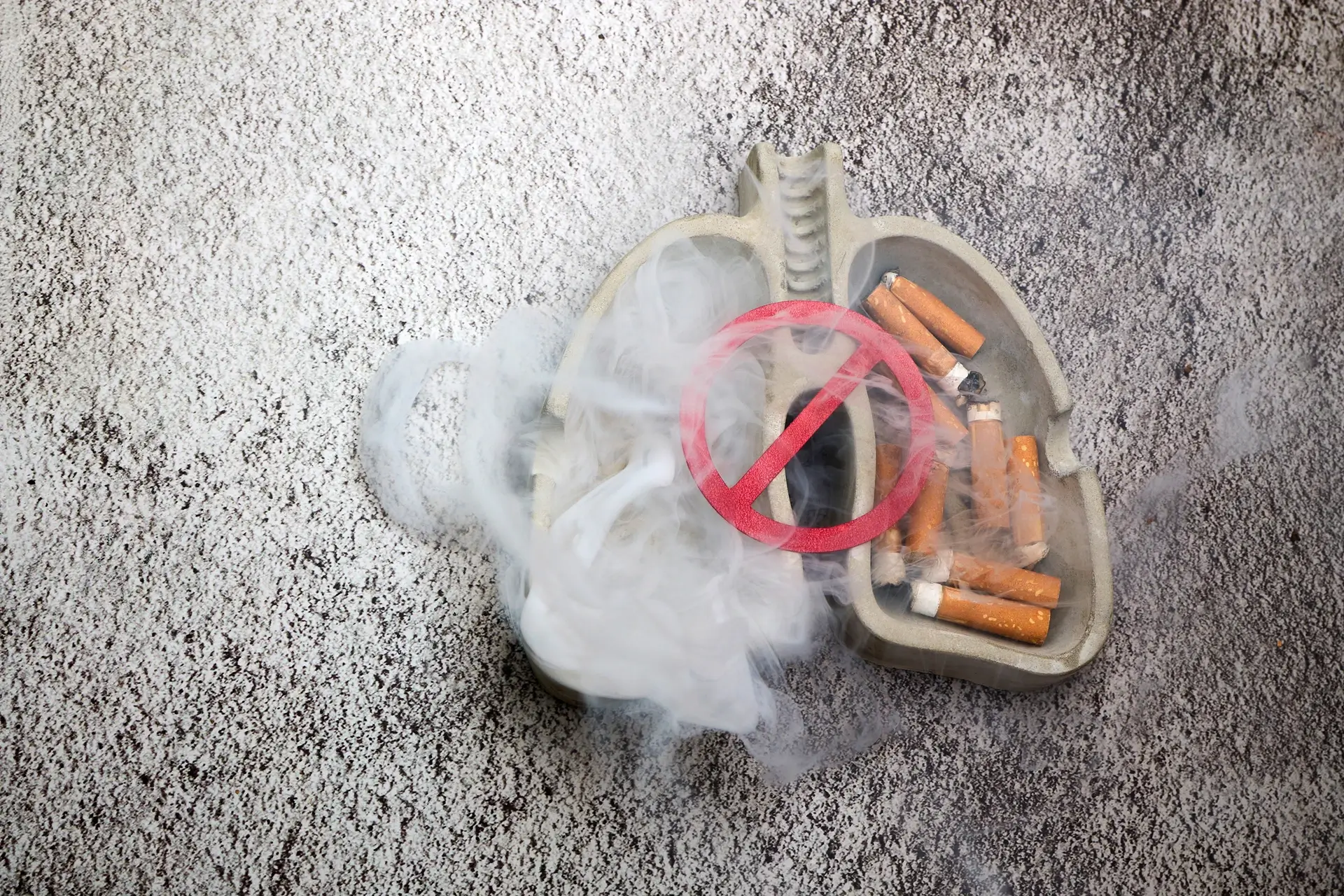
Lung Cancer in Non-Smokers: Causes and Risk Factors
When people hear about lung cancer, smoking is often the first risk factor that comes to mind. While tobacco smoking remains the leading risk factor for lung cancer, lung cancer can also develop in people who have never smoked.
According to the CDC, approximately 10% to 20% of lung cancers occur in people who never smoked or smoked fewer than 100 cigarettes during their lifetime. Researchers have identified several factors that may contribute to lung cancer in non-smokers, including secondhand smoke, radon, air pollution and certain workplace exposures.
Understanding these risk factors is important because being a non-smoker does not completely eliminate the possibility of lung cancer.
What Is Lung Cancer in Non-Smokers?
Lung cancer in a person who has never smoked is commonly referred to as lung cancer in never-smokers.
Cancer develops when abnormal cells in the lung begin growing uncontrollably. Over time, these cells can form a tumour and may spread to other parts of the body.
Lung cancer is not one single disease. There are different types, and the treatment depends on the specific type, stage and characteristics of the cancer.
In people who have never smoked, adenocarcinoma is a commonly diagnosed type of lung cancer. However, other types can also occur.
Can Non-Smokers Get Lung Cancer?
Yes. Although smoking is responsible for the majority of lung cancer cases, non-smokers can also develop the disease.
In some cases, doctors can identify an environmental, occupational or genetic risk factor. However, the exact cause is not always known. The National Cancer Institute notes that environmental exposures can explain some lung cancers among never-smokers, while the causes of many cases remain uncertain.
This is why persistent respiratory symptoms should not automatically be dismissed simply because a person has never smoked.
Causes and Risk Factors for Lung Cancer in Non-Smokers
1. Secondhand Smoke
Secondhand smoke is smoke inhaled from another person’s tobacco use, including smoke from cigarettes, cigars or pipes.
Long-term exposure to secondhand smoke can increase the risk of lung cancer in people who do not smoke. The CDC states that secondhand smoke causes lung cancer in adults who have never smoked.
Regular exposure at home, in workplaces or in other environments can therefore be an important risk factor.
2. Air Pollution
Long-term exposure to air pollution is another potential risk factor for lung cancer.
Fine particles and other pollutants can enter the respiratory system. Living or working in areas with higher levels of air pollution has been associated with increased lung cancer risk.
While exposure to air pollution cannot always be completely avoided, reducing exposure where possible and following local air-quality guidance may help reduce respiratory risks.
3. Radon Exposure
Radon is a naturally occurring radioactive gas produced from the breakdown of certain materials in soil and rocks. It is invisible and has no smell or taste.
Radon can enter buildings through cracks and openings and accumulate indoors. Long-term exposure to high levels of radon can increase the risk of lung cancer, including among people who have never smoked.
Radon exposure may be particularly relevant in areas or buildings where the gas can accumulate over time.
4. Workplace Exposure to Carcinogens
Some occupations involve exposure to substances that can increase lung cancer risk.
Examples include:
- Asbestos
- Arsenic
- Chromium
- Nickel
- Silica
- Beryllium
- Diesel exhaust
Workers who regularly handle or inhale certain occupational carcinogens may have an increased risk of lung cancer. Appropriate workplace safety measures and protective equipment are important for reducing exposure.
5. Previous Radiation Exposure
People who have previously received radiation therapy to the chest may have an increased risk of developing lung cancer later in life.
This is one reason why a person’s previous cancer treatment and medical history are important when doctors assess their overall risk.
6. Family History and Genetic Factors
A family history of lung cancer may be associated with an increased risk. This may relate to inherited genetic changes or shared environmental exposures.
Researchers have also identified molecular changes that can contribute to lung cancer in people who have never smoked. These genetic changes are important because they may influence how the cancer behaves and which treatments could be considered.
Having a family member with lung cancer does not mean that a person will necessarily develop the disease, but it is useful information to discuss with a doctor.
What Are the Symptoms of Lung Cancer in Non-Smokers?
The symptoms of lung cancer can be similar in smokers and non-smokers.
Possible symptoms include:
- Persistent or worsening cough
- Coughing up blood
- Chest pain
- Shortness of breath
- Wheezing
- Unexplained weight loss
- Persistent tiredness
- Recurrent respiratory infections
These symptoms can also occur with many conditions that are not cancer. Therefore, experiencing one of these symptoms does not automatically mean that you have lung cancer.
However, persistent, unexplained or worsening symptoms should be evaluated by a healthcare professional.
How Is Lung Cancer Diagnosed in Non-Smokers?
If lung cancer is suspected, a doctor may recommend investigations based on the person’s symptoms and medical history.
These may include:
- Physical examination
- Chest imaging
- CT scan
- Laboratory investigations
- Bronchoscopy in selected cases
- Biopsy for confirmation
- Molecular or biomarker testing when appropriate
A biopsy is generally needed to confirm whether abnormal tissue is cancerous. Additional testing can help identify the specific type and characteristics of the cancer and guide treatment planning.
Can Lung Cancer in Non-Smokers Be Prevented?
Not every case of lung cancer can be prevented, particularly when the underlying cause is unknown or involves factors that cannot be changed.
However, some measures can reduce exposure to known risk factors:
- Avoid tobacco smoke and secondhand smoke.
- Follow workplace safety precautions around carcinogenic substances.
- Reduce exposure to known environmental pollutants where practical.
- Consider appropriate radon testing where relevant.
- Discuss significant family history with your doctor.
- Seek medical evaluation for persistent respiratory symptoms.
Prevention should focus on reducing modifiable exposures rather than assuming that non-smokers have no risk.
When Should You Consult a Doctor?
Being a non-smoker does not mean that persistent respiratory symptoms should be ignored.
Speak with a doctor if you have a persistent cough, unexplained weight loss, coughing up blood, ongoing chest discomfort, shortness of breath or repeated respiratory infections, particularly when symptoms do not improve or continue to worsen.
Early medical evaluation can help determine whether symptoms are related to an infection, a respiratory condition or another underlying cause.
Lung Cancer Care at Heal Park Clinics
Lung cancer can affect people who have never smoked. Understanding risk factors such as secondhand smoke, air pollution, radon and occupational exposure can help people make informed decisions about their health.
At Heal Park Clinics, patients can receive evaluation and specialist guidance for suspected or diagnosed cancer, with treatment planning based on the individual’s condition, cancer type and stage.
If you or a loved one has persistent respiratory symptoms or has been diagnosed with lung cancer, consult an oncology specialist for an appropriate evaluation and personalized treatment plan.
Medical Disclaimer: This article is intended for general educational purposes and does not replace personalized medical advice. If you have cancer or have been advised to consider radiation therapy, consult a qualified oncologist for recommendations specific to your condition.
About Healpark Clinic
Healpark Clinic is committed to providing quality healthcare services with expert medical care and patient-focused treatment. Our experienced doctors offer comprehensive diagnosis and treatment for a wide range of health concerns in a comfortable and caring environment.
Healpark Clinic
📍 Address: Heal Park Clinics, Building No. 38, N S Patkar Marg, opp. Westside, Babulnath, Dadi Sheth Wadi, Gamdevi, Mumbai, Maharashtra 400007
📞 Phone: +91 8369695209
🌐 Website: https://healparkclinics.com/
Book Your Appointment Today
For expert consultation and personalized treatment, contact Healpark Clinic and schedule your appointment.
Frequently Asked Questions
Yes. Lung cancer can develop in people who have never smoked. Risk factors may include secondhand smoke, air pollution, radon exposure, workplace chemicals, previous radiation exposure and certain genetic changes.
Possible causes and risk factors include secondhand smoke, air pollution, radon, occupational exposure to carcinogens, previous chest radiation and family history or genetic factors. In some cases, the exact cause cannot be identified.
Yes. Long-term exposure to secondhand tobacco smoke can increase the risk of lung cancer in people who do not smoke.
Depending on the symptoms and medical history, doctors may recommend imaging such as a chest X-ray or CT scan. If an abnormality is found, a biopsy may be needed to confirm cancer. Additional molecular or biomarker testing may help guide treatment.
Consult a doctor if you have a persistent or worsening cough, coughing up blood, unexplained weight loss, ongoing chest pain, shortness of breath or recurrent respiratory infections. Early evaluation can help identify the underlying cause.