

How Radiation Therapy Works: A Beginner’s Guide
A cancer diagnosis can come with many questions, especially when radiation therapy is recommended as part of your treatment. You may wonder: How does radiation therapy work? Is it painful? How long does treatment take? What side effects can you expect?
Radiation therapy, also called radiotherapy, is a common cancer treatment that uses high-energy radiation to damage the DNA of cancer cells. When the damage is too severe to repair, cancer cells stop growing and dividing and eventually die.
In this beginner’s guide, we explain how radiation therapy works, its different types, what happens during treatment, common side effects, and what patients can expect.
What Is Radiation Therapy?
Radiation therapy is a treatment that uses high-energy radiation to destroy cancer cells or slow their growth. Depending on the type of cancer and treatment plan, radiation may be used alone or together with surgery, chemotherapy, hormone therapy, targeted therapy, or immunotherapy.
Most external radiation treatments are localized, meaning radiation is carefully directed toward a particular part of the body where cancer is present.
The main objective is to deliver an effective dose of radiation to the cancer while limiting unnecessary exposure to surrounding healthy tissues.
How Does Radiation Therapy Work?
The easiest way to understand radiation therapy is to look at what happens to a cancer cell.
Cancer cells grow and divide uncontrollably. Radiation damages the DNA inside these cells. If the DNA damage is too extensive, the cancer cell can no longer divide properly and eventually dies.
Radiation does not necessarily destroy cancer cells immediately. Some cancer cells may continue to die over the days or weeks following treatment.
Healthy cells near the treatment area can also be affected by radiation. However, healthy cells generally have a greater ability to repair radiation damage. Modern treatment planning helps radiation oncologists deliver radiation as precisely as possible to the intended treatment area.
Why Is Radiation Therapy Used?
Radiation therapy can serve different purposes depending on the type and stage of cancer.
To Treat Cancer
For certain cancers, radiation may be an important part of treatment and may be used with the goal of controlling or eliminating the disease.
Before Surgery
Radiation may sometimes be given before surgery to shrink a tumor or make it easier to remove.
After Surgery
Radiation can also be recommended after surgery to treat cancer cells that may remain in the treatment area and reduce the risk of recurrence in appropriate patients.
Alongside Other Treatments
Radiation therapy may be combined with chemotherapy or other cancer treatments when this approach is appropriate for a particular cancer.
To Relieve Symptoms
Radiation can also be used as palliative treatment to help relieve symptoms caused by cancer, such as pain or problems caused by a tumor pressing on nearby structures.
What Are the Types of Radiation Therapy?
There are several types of radiation therapy. The appropriate option depends on factors such as the cancer type, tumor location, treatment goal, and overall health.
1. External Beam Radiation Therapy
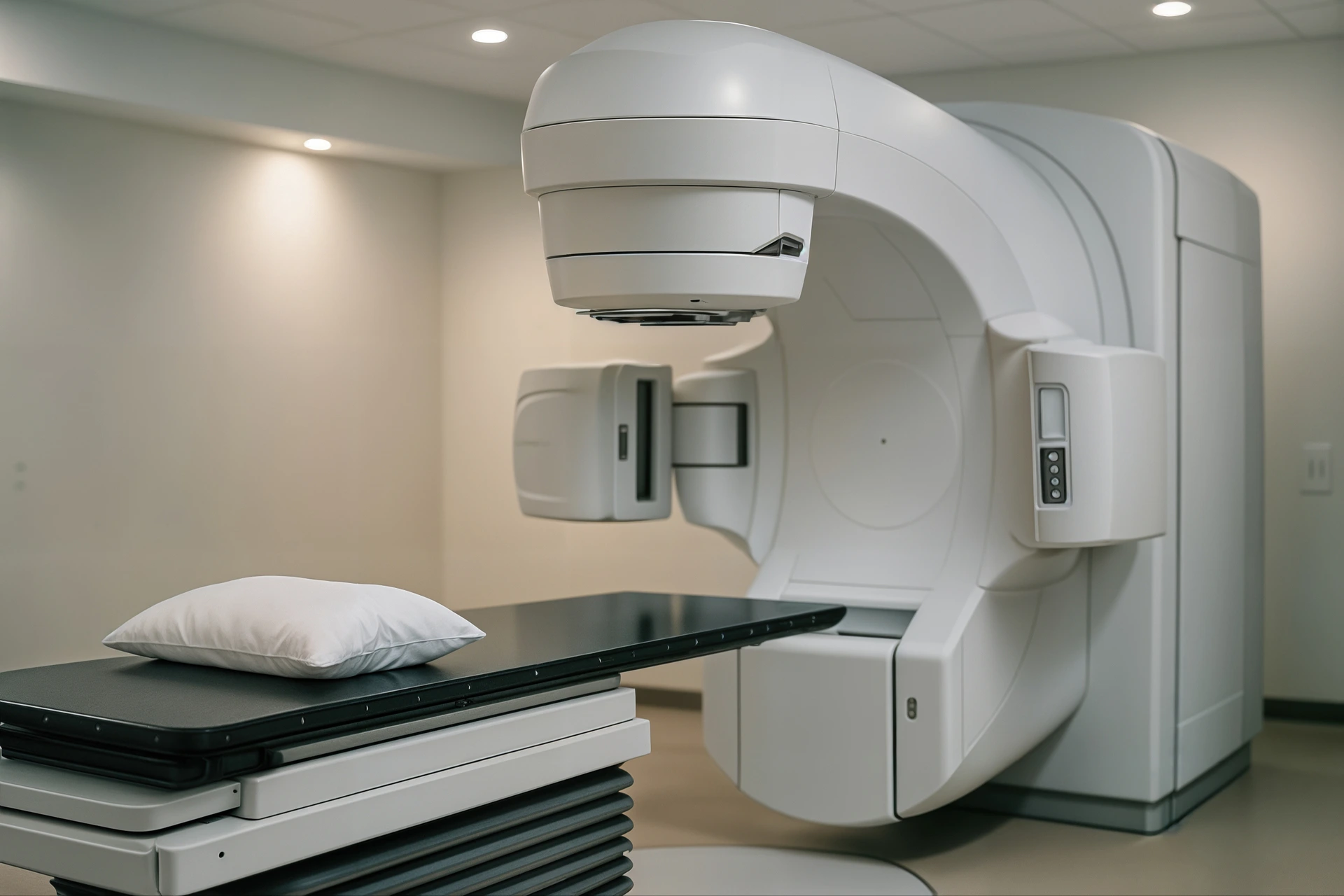
External beam radiation therapy uses a machine outside the body to direct radiation toward the tumor.
Modern radiation techniques use imaging and computer-based treatment planning to help deliver radiation accurately while limiting exposure to nearby healthy tissues.
2. Brachytherapy
Brachytherapy is a form of internal radiation therapy. A radioactive source is placed inside the body or close to the tumor.
Depending on the treatment, the radioactive material may be temporarily placed and then removed, or certain types of radioactive sources may remain in place.
3. Systemic Radiation Therapy
Some treatments use radioactive substances that travel through the bloodstream. Certain radioactive medicines are designed to target specific cancer cells or tissues.
Your oncology team will determine whether this type of treatment is appropriate for your particular condition.
What Happens During Radiation Therapy?
Radiation therapy usually involves several stages.
Step 1: Consultation
Your radiation oncologist reviews your diagnosis, pathology reports, scans, previous treatments, medical history, and overall health.
The doctor then determines whether radiation therapy is appropriate and explains its potential benefits and risks.
Step 2: Treatment Planning
Before treatment begins, you may undergo a planning session called a simulation.
Imaging, such as a CT scan, may be used to identify the exact treatment area. The team determines how you should be positioned and how radiation should be delivered.
Step 3: Radiation Treatment
During external beam radiation therapy, you usually lie on a treatment table while a machine delivers radiation to the planned area.
The machine generally does not touch you, and you typically do not feel the radiation itself.
Although the radiation delivery may take only a few minutes, the complete appointment can take longer because of positioning and setup.
Step 4: Monitoring
Your healthcare team monitors your progress throughout treatment. They may assess side effects, overall health, and your response to treatment and make appropriate adjustments to supportive care.
What Are the Side Effects of Radiation Therapy?
Radiation therapy can affect healthy cells near the treatment area, which may cause side effects.
Common possible side effects include:
- Fatigue
- Skin irritation or changes
- Hair loss in the treated area
- Nausea
- Changes in appetite or taste
- Difficulty swallowing
- Diarrhea
- Urinary symptoms
The side effects vary from person to person and depend on the treatment area. Some effects improve after treatment ends, while certain late effects can occur months or years later.
Your oncology team can explain which side effects are more likely with your specific treatment and how they can be managed.
Radiation Therapy vs. Chemotherapy
Radiation therapy and chemotherapy are different cancer treatments.
Radiation therapy generally targets a specific area using high-energy radiation, while chemotherapy uses medicines that can travel throughout the body.
They are not always alternatives. In some situations, doctors may recommend both treatments as part of a comprehensive cancer treatment plan.
What Should You Ask Your Radiation Oncologist?
Before beginning radiation therapy, consider asking:
- Why do I need radiation therapy?
- What is the goal of my treatment?
- Which type of radiation therapy will I receive?
- How many sessions will I need?
- What side effects should I expect?
- How can side effects be managed?
- Can I continue working and doing my normal activities?
- Will I need other treatments alongside radiation?
- How will my response to treatment be monitored?
Having these questions prepared can help you better understand your treatment plan.
Radiation Therapy at HealPark Clinics
At HealPark Clinics, patients can discuss their cancer diagnosis and treatment options with an oncology team. Cancer treatment is individualized, and the role of radiation therapy depends on factors such as the type and stage of cancer, tumor location, previous treatment, and overall health.
If radiation therapy has been recommended for you or a loved one, a consultation with an oncology specialist can help you understand why it may be recommended, what the treatment process involves, and how it fits into your overall cancer care plan.
Medical Disclaimer: This article is intended for general educational purposes and does not replace personalized medical advice. If you have cancer or have been advised to consider radiation therapy, consult a qualified oncologist for recommendations specific to your condition.
About Healpark Clinic
Healpark Clinic is committed to providing quality healthcare services with expert medical care and patient-focused treatment. Our experienced doctors offer comprehensive diagnosis and treatment for a wide range of health concerns in a comfortable and caring environment.
Healpark Clinic
📍 Address: Heal Park Clinics, Building No. 38, N S Patkar Marg, opp. Westside, Babulnath, Dadi Sheth Wadi, Gamdevi, Mumbai, Maharashtra 400007
📞 Phone: +91 8369695209
🌐 Website: https://healparkclinics.com/
Book Your Appointment Today
For expert consultation and personalized treatment, contact Healpark Clinic and schedule your appointment.
Frequently Asked Questions
Radiation damages the DNA of cancer cells. When the damage is too severe for the cells to repair, they stop dividing and eventually die.
External beam radiation therapy is generally painless. However, some patients may experience side effects during or after treatment.
The number of sessions varies according to the cancer type, treatment goal, radiation technique, prescribed dose, and individual patient factors.
Radiation therapy can be used with different goals, including treating cancer, controlling tumor growth, reducing recurrence risk in selected situations, or relieving symptoms. Whether it can cure a particular cancer depends on several individual factors.
External beam radiation therapy does not make you radioactive after treatment. Some internal or systemic radiation treatments may require specific safety precautions, which your healthcare team will explain.