

Heal Park Clinics

Tag: Cancer Awareness

Early Signs of Pancreatic Cancer

Early Signs of Pancreatic Cancer You Should Not Ignore

Early Signs of Pancreatic Cancer You Should Not Ignore Pancreatic cancer is often described as a “silent” disease because its early symptoms are usually subtle and easy to overlook. Many people attribute the warning signs to common digestive problems, stress, or minor health concerns. However, paying attention to persistent or unusual symptoms can make a meaningful difference. At Healpark Clinics, we strongly encourage patients not to ignore ongoing changes in their health, even if they seem minor at first. Why Is Pancreatic Cancer Hard to Detect Early? The pancreas lies deep within the abdomen, positioned behind the stomach. Because of this location, small tumours often do not produce noticeable symptoms in the early stages. In addition, the initial signs can closely resemble common conditions such as acidity, gastritis, or even simple back pain. This overlap frequently leads to delays in diagnosis. Early Signs of Pancreatic Cancer Symptoms can vary from person to person, but some early warning signs include: 1. Persistent Abdominal Pain A dull, ongoing pain in the upper abdomen that may radiate to the back is one of the more commonly reported symptoms. It may: Worsen after eating Improve slightly when leaning forward Gradually become more persistent over time Unexplained Weight Loss Sudden, unintentional weight loss  especially without changes in diet or exercise  should always be evaluated. Pancreatic cancer can interfere with digestion and reduce appetite, leading to weight loss. Loss of Appetite Feeling full quickly or noticing a significant drop in hunger may be an early sign that something is not right. Jaundice (Yellowing of Skin and Eyes) If a tumour blocks the bile duct, it can lead to: Yellowing of the skin and eyes   Dark-coloured urine   Pale stools   Itchy skin   Jaundice, particularly when it occurs without pain, should never be ignored. Changes in Stool Greasy, pale, or floating stools may suggest difficulty digesting fats, which can occur when the pancreas is not functioning properly. New-Onset Diabetes In some individuals, pancreatic cancer is first suspected when diabetes develops suddenly, especially after the age of 50 and without typical risk factors. Persistent Fatigue Ongoing tiredness that does not improve with adequate rest can be linked to many medical conditions, including cancer. When fatigue is persistent and unexplained, it deserves medical attention. Who Is at Higher Risk? Certain factors are known to increase the risk of pancreatic cancer, including: Smoking A family history of pancreatic cancer Chronic pancreatitis Obesity Diabetes Age above 60 If you fall into any of these higher-risk categories, paying attention to early symptoms becomes even more important. Prompt evaluation can help identify concerns at an earlier stage. When Should You See a Doctor? It is advisable to consult a specialist if you notice: Persistent upper abdominal or back pain Unexplained weight loss Jaundice Ongoing digestive disturbances Sudden onset of diabetes Early assessment can either rule out serious conditions or allow treatment to begin at the right time. A Reassuring Note It is important to remember that many of these symptoms are more commonly caused by non-cancerous conditions. However, persistent or unusual changes in your body should not be ignored. At Healpark Clinics, the focus is on early detection, thorough evaluation, and personalised treatment planning. When it comes to pancreatic cancer, awareness and timely medical attention can make a meaningful difference.

Blood in Urine: Could It Be Bladder Cancer?

Blood in Urine: Could It Be Bladder Cancer? Seeing blood in your urine can understandably feel alarming. Whether the urine appears pink, red, or brown, or blood is detected only during a laboratory test, it is a symptom that should never be ignored. While blood in the urine (hematuria) is often linked to infections or minor conditions, it can sometimes be an early warning sign of bladder cancer. At Healpark Clinics, we strongly emphasise early evaluation, as timely diagnosis significantly improves outcomes  particularly for those seeking bladder cancer treatment in Mumbai. Understanding Blood in Urine (Hematuria) Hematuria can present in two ways: Visible (Gross Hematuria): Blood is clearly seen in the urine. Microscopic Hematuria: Blood is detected only through laboratory testing. Even if it occurs just once and then disappears, a proper medical evaluation is important Common Causes of Blood in Urine Not every case of hematuria is serious. Some possible causes include: Urinary tract infections (UTIs) Kidney stones Enlarged prostate (in men) Bladder infections Certain medications Intense physical activity However, in adults over the age of 40, unexplained or recurring blood in the urine should always be evaluated carefully to rule out more serious conditions, including bladder cancer. Could It Be Bladder Cancer ? One of the earliest signs of bladder cancer is painless blood in the urine. Because it may not cause discomfort at first, many individuals delay seeking medical attention. Other symptoms can include: Frequent urination A burning sensation while urinating Sudden urgency Pelvic pain A feeling of incomplete bladder emptying If these symptoms continue or worsen, consulting a specialist for proper evaluation and, if necessary, bladder cancer treatment in Mumbai becomes essential. Who Is at Higher Risk? Your risk of bladder cancer may be higher if you: Smoke (a major risk factor) Are above 50 years of age Have occupational exposure to certain chemicals Have a family history of bladder cancer Experience chronic bladder inflammation In individuals with these risk factors, early screening and timely consultation can significantly reduce complications and improve outcomes. How Is Bladder Cancer Diagnosed? At Healpark Clinics, evaluation typically involves a step-by-step approach, including: A detailed consultation and physical examination Urine tests and cytology Ultrasound or CT scan imaging Cystoscopy to directly examine the inside of the bladder These diagnostic tools help determine whether symptoms are caused by infections, stones, or require specialised bladder cancer treatment in Mumbai. Treatment Options for Bladder Cancer When detected early, bladder cancer is often highly treatable. Treatment options may include: Transurethral resection of bladder tumor (TURBT) Intravesical therapy Surgical management Chemotherapy or immunotherapy Advanced medical oncology care At Healpark Clinics, each patient receives a personalised treatment plan tailored to their condition. Our multidisciplinary team ensures comprehensive bladder cancer treatment in Mumbai with coordinated specialist care. When Should You See a Specialist? Seek medical attention promptly if: You notice blood in your urine, even once   Urinary symptoms continue to recur   You have known risk factors along with new symptoms   You experience persistent pelvic discomfort or pain Early consultation not only ensures an accurate diagnosis but also significantly increases treatment success rates if cancer is detected. Final Thoughts Blood in the urine does not always mean cancer  but it should never be ignored. At Healpark Clinics, we prioritise early detection, compassionate care, and advanced bladder cancer treatment in Mumbai. If you notice any unusual urinary symptoms, timely evaluation can make a meaningful and potentially life-changing difference.

Cervical Cancer

Cervical Cancer Stages Explained

Hearing the words “you have cervical cancer” is overwhelming. One of the very first questions most women ask is: “What stage is it?” Cervical cancer staging helps doctors understand how far the cancer has progressed, what treatment is needed, and what outcomes to expect. In this blog, we’ll break down cervical cancer stages from Stage 0 to Stage IV in simple, clear language  without medical jargon. Why Early Cancer Symptoms Are Easy to Ignore Cancer doesn’t usually announce itself with extreme pain or sudden collapse. In its early stages, it whispers.The problem? We live in a world where tiredness, stress, digestive issues, and aches are considered “normal.”That’s why many cancers are diagnosed late  not because symptoms weren’t there, but because they didn’t feel urgent. Why Cervical Cancer Staging Matters Staging is not just a medical label. It determines: Treatment options Chances of recovery Whether surgery, radiation, or chemotherapy is required The earlier the stage, the better the chances of successful treatment. Stage 0 Cervical Cancer (Carcinoma in Situ) Stage 0 is the earliest form of cervical cancer. At this stage: Abnormal cells are found only on the surface of the cervix Cancer has not spread to deeper tissues It is often called pre-cancer Symptoms Most women have no symptoms at Stage 0. This is why regular Pap smear screening is so important. Treatment Cryotherapy Laser therapy Cone biopsy (conization) When detected at Stage 0, cervical cancer is almost 100% curable. Stage I Cervical Cancer: Cancer Limited to the Cervix At Stage I, cancer is present but still confined to the cervix. Stage IA (Very Early Cancer) Cancer is microscopic and not visible to the naked eye Usually detected through biopsy Treatment options: Cone biopsy Simple hysterectomy (in selected cases) Stage IB (Visible Cancer) Cancer is visible or larger but still limited to the cervix Treatment options: Radical hysterectomy Radiation therapy Fertility-preserving surgery (in selected early cases) Early Stage I cervical cancer has a very high survival rate when treated promptly. Stage II Cervical Cancer: Spread Beyond the Cervix At Stage II, cancer has spread beyond the cervix, but not to the pelvic wall or lower vagina. Common Symptoms Abnormal vaginal bleeding Pain during intercourse Pelvic pain Treatment Radiation therapy Chemotherapy (often combined with radiation) Surgery is less common at this stage. Treatment focuses on controlling local spread. Stage III Cervical Cancer: Advanced Local Spread Stage III indicates significant local progression. At this stage, cancer may have: Spread to the pelvic wall Blocked the ureters (causing kidney problems) Spread to the lower part of the vagina Symptoms Severe pelvic pain Difficulty urinating Swelling in legs Heavy vaginal bleeding Treatment Combined chemotherapy and radiation therapy Symptom management While more challenging to treat, Stage III cervical cancer is still treatable with aggressive therapy. Stage IV Cervical Cancer: Cancer Has Spread to Distant Organs Stage IV is the most advanced stage. Stage IVA Cancer has spread to nearby organs such as the bladder or rectum Stage IVB Cancer has spread to distant organs like the lungs, liver, or bones Symptoms Severe pain Fatigue Weight loss Difficulty breathing or bowel issues Treatment Chemotherapy Targeted therapy Immunotherapy Palliative care to improve quality of life Treatment at this stage focuses on slowing disease progression and relieving symptoms. Survival Rates by Cervical Cancer Stage (General Overview) While survival rates vary based on individual health and treatment, outcomes are strongly stage-dependent: Stage 0–I: Excellent survival rates Stage II: Good outcomes with combined treatment Stage III: Moderate survival with aggressive therapy Stage IV: Focus on life extension and comfort Early diagnosis makes a dramatic difference. How Cervical Cancer Is Diagnosed and Staged Doctors use: Pap smear tests HPV testing Colposcopy Biopsy Imaging (CT, MRI, PET scans) These tests help determine tumor size and spread. Can Cervical Cancer Be Prevented? Yes cervical cancer is one of the most preventable cancers. Prevention includes: HPV vaccination Regular Pap smear screening Early treatment of precancerous lesions Final Thoughts: Knowledge Brings Control Understanding cervical cancer stages from Stage 0 to Stage IV empowers women to make informed decisions. Early screening saves lives, and even advanced stages can be managed with modern treatments. If you or a loved one is facing cervical cancer, remember: You are not alone and early action changes everything. Frequently Asked Questions (FAQs) 1.What are the stages of cervical cancer? Cervical cancer is staged from Stage 0 to Stage IV, based on how far the cancer has spread—from abnormal cells on the cervix (Stage 0) to spread to distant organs (Stage IV). 2. What is the difference between Stage 1A and Stage 1B cervical cancer? Stage 1A: Cancer is microscopic and detected only by biopsy Stage 1B: Cancer is visible or larger but still confined to the cervix 3. How is cervical cancer stage determined? Doctors use Pap tests, HPV testing, biopsies, and imaging tests like CT, MRI, or PET scans to determine the stage of cervical cancer. 4. Does cervical cancer staging affect treatment? Yes. Treatment decisionssurgery, radiation, chemotherapy, or immunotherapy are based directly on the cancer stage. 5. Can cervical cancer be prevented? Yes. Cervical cancer is highly preventable through HPV vaccination, regular Pap smear screening, and early treatment of precancerous changes.

Early Signs of Pancreatic Cancer You Should Not Ignore

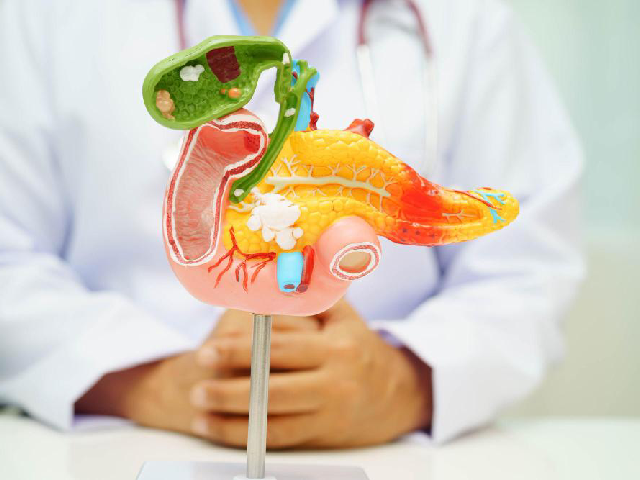
Early Signs of Pancreatic Cancer You Should Not Ignore Pancreatic cancer is often described as a “silent” disease because its early symptoms are usually subtle and easy to overlook. Many people attribute the warning signs to common digestive problems, stress, or minor health concerns. However, paying attention to persistent or unusual symptoms can make a meaningful difference. At Healpark Clinics, we strongly encourage patients not to ignore ongoing changes in their health, even if they seem minor at first. Why Early Cancer Symptoms Are Easy to Ignore The pancreas lies deep within the abdomen, positioned behind the stomach. Because of this location, small tumours often do not produce noticeable symptoms in the early stages. In addition, the initial signs can closely resemble common conditions such as acidity, gastritis, or even simple back pain. This overlap frequently leads to delays in diagnosis. Early Signs of Pancreatic Cancer 1. Persistent Abdominal Pain A dull, ongoing pain in the upper abdomen that may radiate to the back is one of the more commonly reported symptoms. It may: Worsen after eating Improve slightly when leaning forward Gradually become more persistent over time 2. Unexplained Weight Loss Sudden, unintentional weight loss especially without changes in diet or exercise should always be evaluated. Pancreatic cancer can interfere with digestion and reduce appetite, leading to weight loss. 3. Loss of Appetite Feeling full quickly or noticing a significant drop in hunger may be an early sign that something is not right. 4. Jaundice (Yellowing of Skin and Eyes) If a tumour blocks the bile duct, it can lead to: Yellowing of the skin and eyes Dark-coloured urine Pale stools Itchy skin Jaundice, particularly when it occurs without pain, should never be ignored. 5. Changes in Stool Greasy, pale, or floating stools may suggest difficulty digesting fats, which can occur when the pancreas is not functioning properly. 6. New-Onset Diabetes In some individuals, pancreatic cancer is first suspected when diabetes develops suddenly, especially after the age of 50 and without typical risk factors. 7. Persistent Fatigue Ongoing tiredness that does not improve with adequate rest can be linked to many medical conditions, including cancer. When fatigue is persistent and unexplained, it deserves medical attention. Who Is at Higher Risk? Certain factors are known to increase the risk of pancreatic cancer, including: Smoking A family history of pancreatic cancer Chronic pancreatitis Obesity Diabetes Age above 60 If you fall into any of these higher-risk categories, paying attention to early symptoms becomes even more important. Prompt evaluation can help identify concerns at an earlier stage. When Should You See a Doctor? It is advisable to consult a specialist if you notice: Persistent upper abdominal or back pain Unexplained weight loss Jaundice Ongoing digestive disturbances Sudden onset of diabetes Early assessment can either rule out serious conditions or allow treatment to begin at the right time. A Reassuring Note It is important to remember that many of these symptoms are more commonly caused by non-cancerous conditions. However, persistent or unusual changes in your body should not be ignored. At Healpark Clinics, the focus is on early detection, thorough evaluation, and personalised treatment planning. When it comes to pancreatic cancer, awareness and timely medical attention can make a meaningful difference.
Cancer treament

Does genetics have role to play in cancer ?

Cancer is not caused by a single factor. It develops due to a combination of genetics, lifestyle choices, and environmental exposures. One of the most common concerns patients have is: “Is cancer genetic?” The answer is partly yes. While most cancers are not inherited, some individuals are born with specific gene mutations that increase their risk of developing certain cancers later in life. In this blog by HealPark Clinic, we explain how genetics influence cancer risk, the difference between inherited and acquired mutations, and how genetic testing and early monitoring can help in prevention and early detection. What Does “Genetic” Mean in Cancer? Genes are segments of DNA that control how cells grow, divide, and function. When certain genes develop mutations, cells may begin to grow abnormally, which can eventually lead to cancer.Genetic mutations related to cancer can be: Inherited – passed from parents to children Acquired – developed over time due to lifestyle or environmental exposure So when people ask, “Is cancer genetic?”, the reality is that cancer often develops due to a mix of genetic vulnerability and external factors. Inherited vs. Acquired Genetic Mutations Understanding the difference between inherited and acquired mutations is key to understanding cancer risk. Inherited (Hereditary) Mutations Present from birth Passed down through family genes Found in every cell of the body Responsible for about 5–10% of cancers Acquired (Somatic) Mutations Develop during a person’s lifetime Not inherited or passed to children Caused by factors such as: Smoking , Excessive sun exposure , Radiation , Certain infections , Poor lifestyle habits Feature Inherited Mutations Acquired Mutations Passed to children Yes No Present at birth Yes No Main cause of most cancers No Yes Most cancers are caused by acquired mutations, but inherited mutations significantly increase risk in some individuals. Cancers Commonly Linked to Genetics Some cancers are more strongly associated with inherited genetic mutations, especially when they occur at a young age or run in families. Common Genetic-Linked Cancers: Breast Cancer – Often linked to BRCA1 and BRCA2 mutations Ovarian Cancer – Higher risk with BRCA mutations Colorectal Cancer – Associated with Lynch syndrome and FAP Prostate Cancer – May run in families Pancreatic Cancer – Can be linked to BRCA and PALB2 mutations If multiple family members have had the same or related cancers, genetics may play a role. How Genetic Testing Helps Genetic testing identifies whether you carry inherited gene mutations that increase cancer risk. What the Process Involves: Blood or saliva sample Lab-based genetic analysis Results usually available within 2–3 weeks What Genetic Testing Can Tell You: Presence of cancer-related gene mutations Your lifetime cancer risk Preventive and monitoring strategies Having a genetic mutation does not mean you will get cancer, but it helps doctors personalize your care.   Who Should Consider Genetic Counseling? Genetic counseling may be recommended if you have: Multiple family members with cancer Cancer diagnosed at a young age in the family A known genetic mutation in relatives A personal history of more than one cancer Rare or aggressive cancer types At HealPark Clinic, genetic counselors help you understand testing, results, and next steps clearly and compassionately. Can Genetic Cancer Risk Be Reduced? Regular screenings and early detection Advanced imaging (MRI, mammograms, colonoscopy) Preventive medications Risk-reducing surgeries (in select cases) Healthy lifestyle choices: Avoid tobacco , Maintain a healthy weight , Exercise regularly , Limit alcohol intake , Eat a balanced diet Importance of Family History Family history is one of the strongest indicators of inherited cancer risk. How to Track Family History: Include both maternal and paternal sides Note cancer type and age at diagnosis Share this information with your doctor Family Member Cancer Type Age at Diagnosis Mother Breast Cancer 45 Maternal Aunt Ovarian Cancer 50 Brother Prostate Cancer 52 This information helps doctors decide if genetic testing is needed. Living with a Higher Genetic Cancer Risk A positive genetic test can feel overwhelming but it also empowers you. What You Can Do: Stay educated about your mutation Follow a personalized screening plan Consider family planning options if needed Build a long-term care strategy with your doctor At HealPark Clinic, we support patients with preventive oncology care, emotional counseling, and personalized treatment planning. Conclusion So, is cancer genetic? Sometimes but not always. While most cancers are caused by acquired mutations, inherited genes can significantly increase risk in certain individuals. Understanding your genetic makeup, knowing your family history, and taking preventive steps can make a life-saving difference. At HealPark Clinic, we combine genetic counseling, early detection, and advanced oncology care to help you stay informed, proactive, and supported at every stage. 📞 Book a consultation today to assess your cancer risk and take control of your health with confidence. Frequently Asked Questions (FAQs) 1.Is cancer genetic or lifestyle-related?  Most cancers result from both genetic and lifestyle factors. Only a small percentage are purely inherited. 2. If cancer runs in my family, will I definitely get it? No. A genetic mutation increases risk but does not guarantee cancer. 3. When should I consider genetic testing?  If you have strong family history or early-onset cancers, testing may help. 4. What if my test result is positive? You’ll work with your doctor to create a risk-reduction and monitoring plan. 5. Can children inherit cancer genes?  Yes. Each child has a 50% chance of inheriting a mutation if one parent carries it. 6. Are hereditary cancers treatable? Yes. Early detection allows effective and targeted treatment. 7. Is genetic testing covered by insurance? Often yes, when medically indicated.