

Cancer is not caused by a single factor. It develops due to a combination of genetics, lifestyle choices, and environmental exposures. One of the most common concerns patients have is: “Is cancer genetic?”
The answer is partly yes. While most cancers are not inherited, some individuals are born with specific gene mutations that increase their risk of developing certain cancers later in life.
In this blog by HealPark Clinic, we explain how genetics influence cancer risk, the difference between inherited and acquired mutations, and how genetic testing and early monitoring can help in prevention and early detection.
What Does “Genetic” Mean in Cancer?
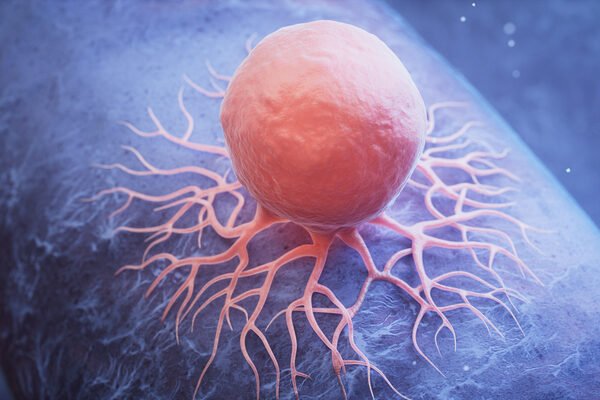
Genes are segments of DNA that control how cells grow, divide, and function. When certain genes develop mutations, cells may begin to grow abnormally, which can eventually lead to cancer.
Genetic mutations related to cancer can be:
- Inherited – passed from parents to children
- Acquired – developed over time due to lifestyle or environmental exposure
So when people ask, “Is cancer genetic?”, the reality is that cancer often develops due to a mix of genetic vulnerability and external factors.
Inherited vs. Acquired Genetic Mutations
Understanding the difference between inherited and acquired mutations is key to understanding cancer risk.
Inherited (Hereditary) Mutations
- Present from birth
- Passed down through family genes
- Found in every cell of the body
- Responsible for about 5–10% of cancers
Acquired (Somatic) Mutations
- Develop during a person’s lifetime
- Not inherited or passed to children
- Caused by factors such as: Smoking , Excessive sun exposure , Radiation , Certain infections , Poor lifestyle habits
Feature | Inherited Mutations | Acquired Mutations |
Passed to children | Yes | No |
Present at birth | Yes | No |
Main cause of most cancers | No | Yes |
Most cancers are caused by acquired mutations, but inherited mutations significantly increase risk in some individuals.
Cancers Commonly Linked to Genetics
Some cancers are more strongly associated with inherited genetic mutations, especially when they occur at a young age or run in families.
Common Genetic-Linked Cancers:
- Breast Cancer – Often linked to BRCA1 and BRCA2 mutations
- Ovarian Cancer – Higher risk with BRCA mutations
- Colorectal Cancer – Associated with Lynch syndrome and FAP
- Prostate Cancer – May run in families
- Pancreatic Cancer – Can be linked to BRCA and PALB2 mutations
If multiple family members have had the same or related cancers, genetics may play a role.
How Genetic Testing Helps
Genetic testing identifies whether you carry inherited gene mutations that increase cancer risk.
What the Process Involves:
- Blood or saliva sample
- Lab-based genetic analysis
- Results usually available within 2–3 weeks
What Genetic Testing Can Tell You:
- Presence of cancer-related gene mutations
- Your lifetime cancer risk
- Preventive and monitoring strategies
Having a genetic mutation does not mean you will get cancer, but it helps doctors personalize your care.
Who Should Consider Genetic Counseling?
Genetic counseling may be recommended if you have:
- Multiple family members with cancer
- Cancer diagnosed at a young age in the family
- A known genetic mutation in relatives
- A personal history of more than one cancer
- Rare or aggressive cancer types
At HealPark Clinic, genetic counselors help you understand testing, results, and next steps clearly and compassionately.
Can Genetic Cancer Risk Be Reduced?
- Regular screenings and early detection
- Advanced imaging (MRI, mammograms, colonoscopy)
- Preventive medications
- Risk-reducing surgeries (in select cases)
- Healthy lifestyle choices: Avoid tobacco , Maintain a healthy weight , Exercise regularly , Limit alcohol intake , Eat a balanced diet
Importance of Family History
Family history is one of the strongest indicators of inherited cancer risk.
How to Track Family History:
- Include both maternal and paternal sides
- Note cancer type and age at diagnosis
Share this information with your doctor
Family Member | Cancer Type | Age at Diagnosis |
Mother | Breast Cancer | 45 |
Maternal Aunt | Ovarian Cancer | 50 |
Brother | Prostate Cancer | 52 |
This information helps doctors decide if genetic testing is needed.
Living with a Higher Genetic Cancer Risk
A positive genetic test can feel overwhelming but it also empowers you.
What You Can Do:
- Stay educated about your mutation
- Follow a personalized screening plan
- Consider family planning options if needed
- Build a long-term care strategy with your doctor
At HealPark Clinic, we support patients with preventive oncology care, emotional counseling, and personalized treatment planning.
Conclusion
So, is cancer genetic?
Sometimes but not always. While most cancers are caused by acquired mutations, inherited genes can significantly increase risk in certain individuals. Understanding your genetic makeup, knowing your family history, and taking preventive steps can make a life-saving difference.
At HealPark Clinic, we combine genetic counseling, early detection, and advanced oncology care to help you stay informed, proactive, and supported at every stage.
📞 Book a consultation today to assess your cancer risk and take control of your health with confidence.
Frequently Asked Questions (FAQs)
Most cancers result from both genetic and lifestyle factors. Only a small percentage are purely inherited.
No. A genetic mutation increases risk but does not guarantee cancer.
If you have strong family history or early-onset cancers, testing may help.
You’ll work with your doctor to create a risk-reduction and monitoring plan.
Yes. Each child has a 50% chance of inheriting a mutation if one parent carries it.
Yes. Early detection allows effective and targeted treatment.
Often yes, when medically indicated.
I can\'t express enough gratitude for the exceptional care I experienced at Doctean. Kudos to the remarkable team for their support!
I can\'t thank the team at Doctean enough for the exceptional care I received. Truly grateful for their support throughout my healing.
I\'m so grateful for the amazing care I received at Doctean. The team here is incredible, and they made my recovery a breeze!